A good report names the rooms checked, the moisture readings, the photos and the likely cause, then recommends next steps. Vague summaries with no locations are a warning sign. Call the number on this page to be connected with a local mold company in Chapel Hill.
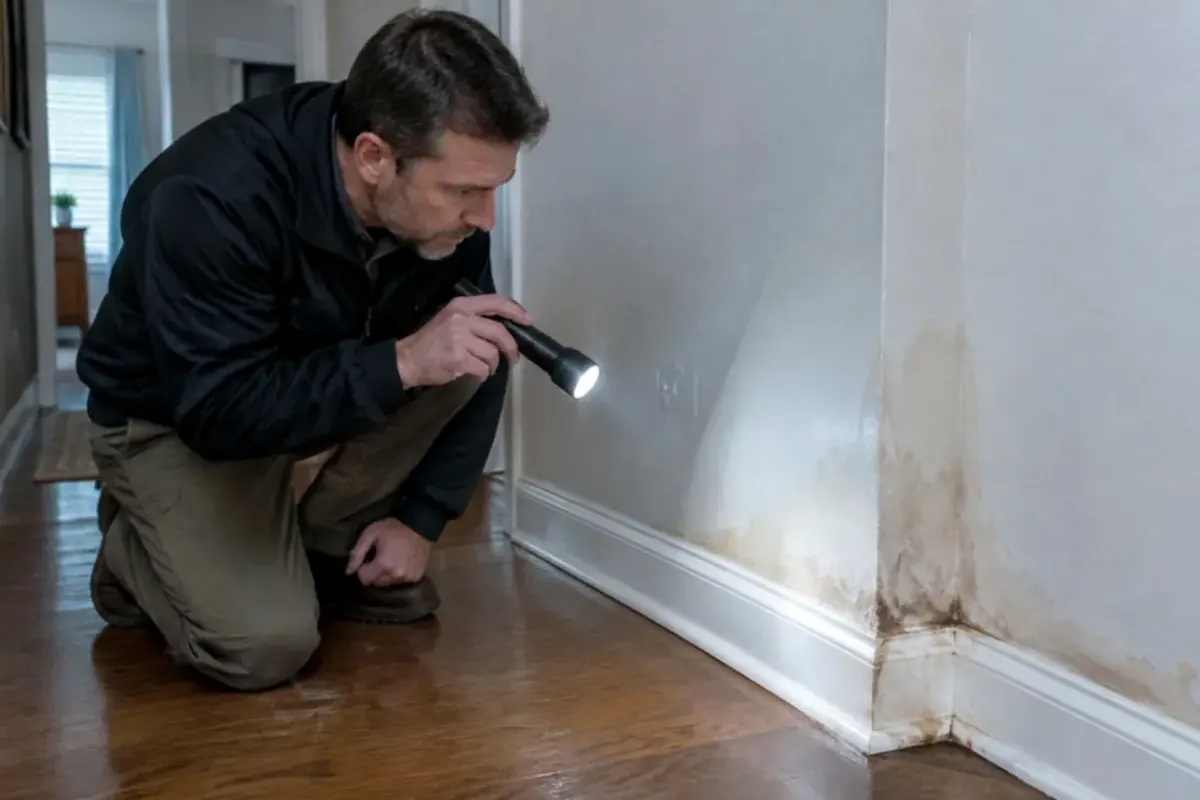
Asking the right first question
Before you pay for any cleanup, ask whether the cause is known. If someone cannot show you where the moisture comes from, the work may only treat the symptoms. An inspection is how that question gets an actual answer.
Pay attention to what the answer actually shows.
Tools beyond a flashlight
A moisture meter reads dampness inside drywall and wood. A thermal camera shows cool, wet areas that look normal to the eye. A borescope can peek into a wall cavity through a small hole, which avoids major demolition just to look.
Each tool answers a different question.
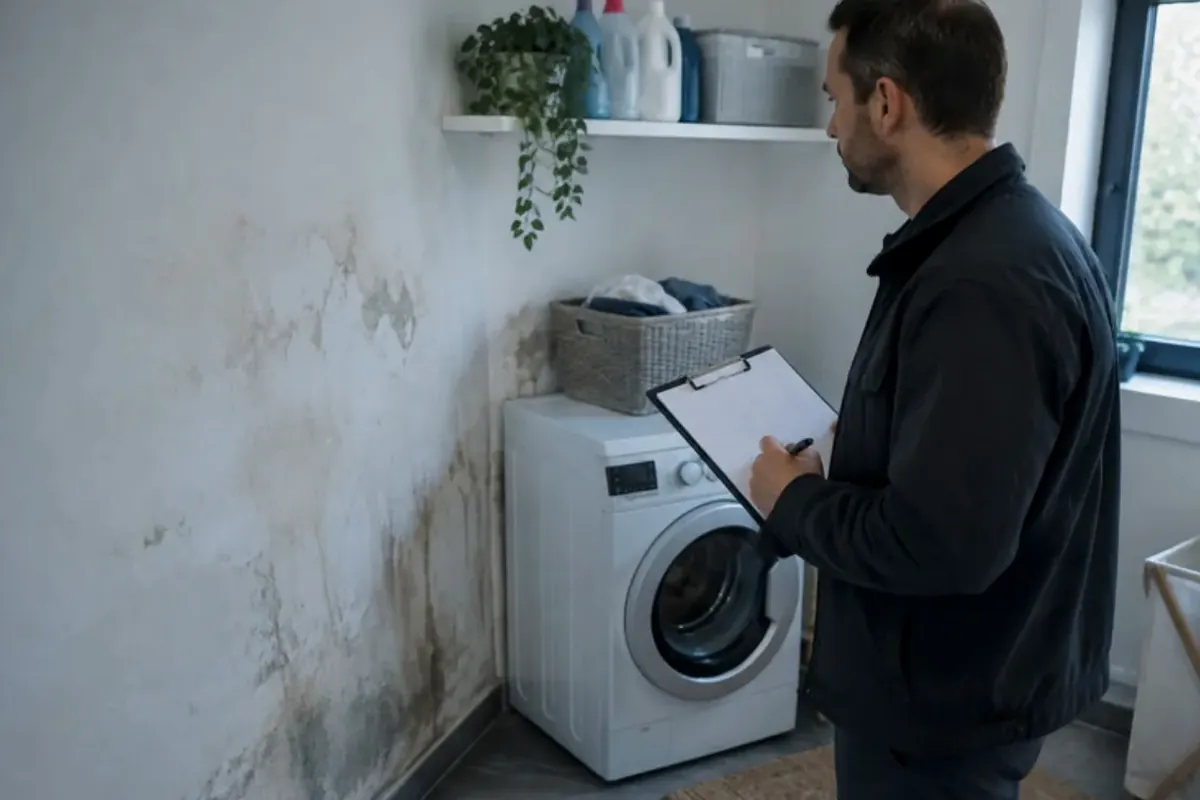
Sampling adds to the total
Lab analysis is billed per sample on top of the visit, and sampling decisions should come from the inspector's findings. The NC Division of Public Health is wary of air sampling as a first step, so ask why each sample is recommended.
Ask what the results will change.
Before the visit
- Note where you smell or see the problem
- Collect dates of past leaks or repairs
- Clear access to the crawl space and attic
- Ask the scope in writing
The answers let you compare companies fairly. A pause on any of them is worth noticing, and so is a company that can explain the report in plain terms. Do this before you book rather than after.
Keep the paperwork
Hold on to the report, photos, readings and any invoices. They help with insurance, with a later sale and with proving a repair was done. A folder with dates is far more useful than memory when a buyer or landlord asks.
Digital copies work just as well as paper ones.
Rules and offices for Chapel Hill mold jobs
There are no federal rules for indoor air quality consultants, so references, written scopes and a separate assessor matter. Contractor license rules start at $40,000 in North Carolina.
Renting? N.C.G.S. 42-42 requires landlords to keep a home fit and habitable and to repair supplied plumbing and heating; outside an emergency, send the repair request in writing.
Permits for Chapel Hill addresses are handled by the Town of Chapel Hill building and development services office; ask there before load-bearing framing or duct runs are replaced.
If creek or river water came inside, look the address up in North Carolina's Flood Risk Information System and call your insurer before cleanup begins.
Many of the same companies also take calls from Carrboro, Durham and Morrisville.
Around Chapel Hill
Calls come in from across Chapel Hill, including Southern Village, Chapel Hill Northside, The Shire.
The Town's flood page lists areas that flood during heavy rain, including Bolin Creek when it leaves its banks, S. Estes Drive, Cleland Road and parts of Franklin Street, and advises avoiding parking in the floodplain.
Mold Inspection questions in Chapel Hill
How long does an inspection take?
Is an inspection the same as mold testing?
How soon should I call after a leak?
Does an inspection say whether mold is dangerous?
More mold services in Chapel Hill
Mold Inspection nearby
Helpful guides
Sources
- Town of Chapel Hill Building Permits and Inspections
- Town of Chapel Hill Building Permits and Inspections: flood information
- N.C. General Statutes 87-1: general contractor license
- NC Licensing Board for General Contractors: consumer FAQ
- NC Division of Public Health: choosing a mold consultant
- N.C. General Statutes 42-42: landlord to provide fit premises
- NC Flood Risk Information System
Last updated: