If the area does not pass, the report says why, and the remediator typically returns to correct it before a recheck. Ask about that in the contract. Call the number on this page to be connected with a local mold company in Chapel Hill.
What a pass actually tells you
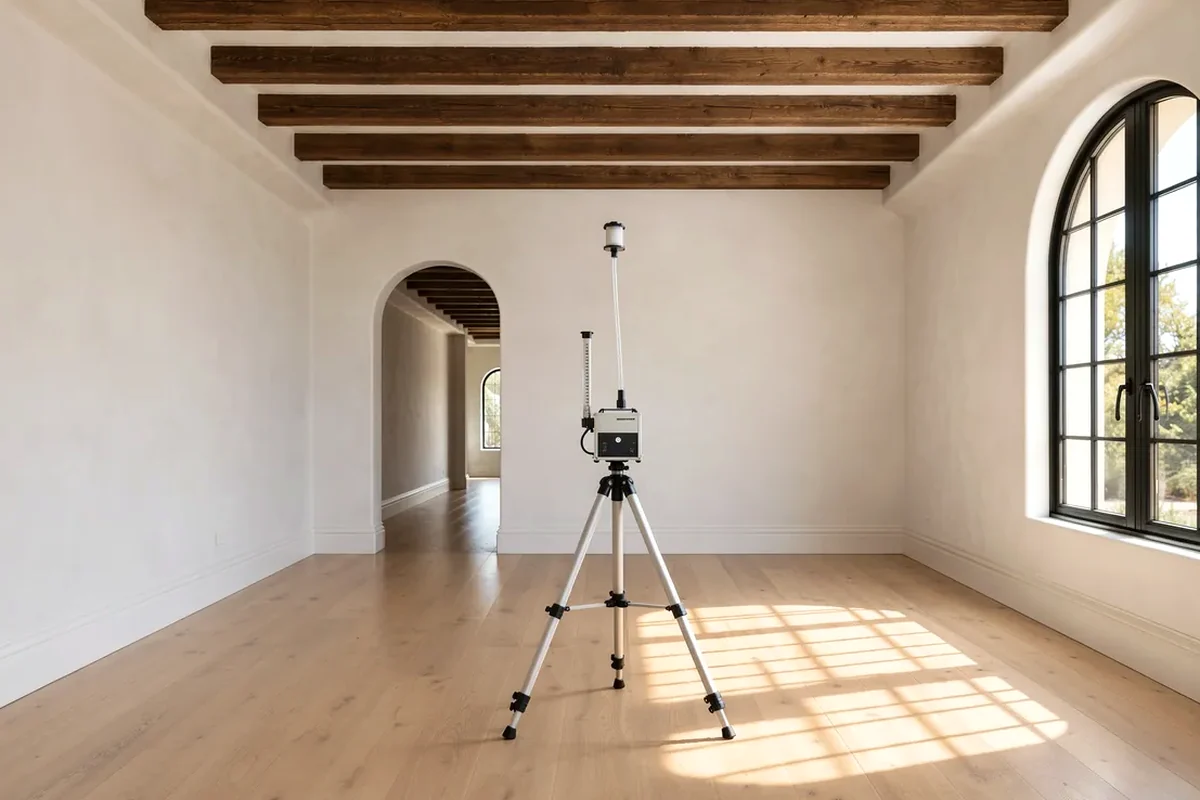
It tells you the work area met the goals in the plan on the day it was checked. It does not guarantee the future. If the water source returns, so can the growth, which is why the repair behind the cleanup matters as much as the cleanup.
Eyes first, samples second
EPA notes that sampling often is not needed when mold is visible, and the same logic runs through clearance. A room with no growth, no debris and dry materials may be judged mostly by sight and meter, with a lab added only when the plan says so.
Insurance and reimbursement
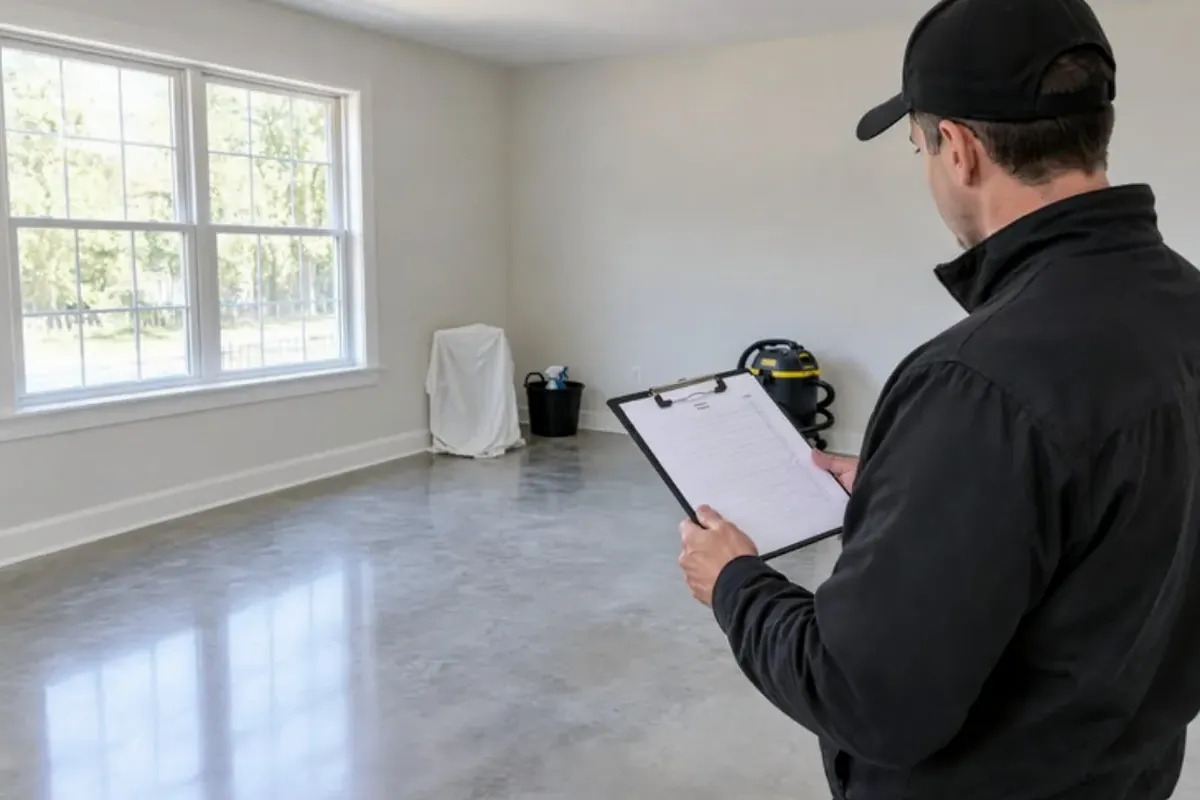
Some policies reimburse assessment costs when mold follows a covered loss, while others cap or exclude them. Ask the carrier before work starts and keep the invoice and written report, since adjusters often want both, along with photos taken before and after the work.
Keep the area undisturbed
Leave containment barriers and air scrubbers in place until the assessor says otherwise, and avoid sweeping, wiping or moving materials in the work area beforehand. Tidying up before the visit can change the readings and hide exactly the thing the check is meant to catch.
Dry quickly if water returns
EPA advises drying wet materials within 24 to 48 hours. If a new leak or storm damp reaches a cleared area, move fast with fans and a dehumidifier, and call a local company early. Porous materials that stay wet and moldy usually have to be removed.
Local facts for a Chapel Hill mold job
Ask whether the job, including any rebuild, could reach $40,000. At that size state law requires a general contractor license, which you can confirm in the NCLBGC online lookup by name or license number.
Tenants should put leak and mold complaints in writing. North Carolina's landlord statute, G.S. 42-42, covers repairs needed to keep a rental fit to live in.
Once the moldy material is gone, the rebuild is its own step, and some of it, like new ductwork or structural framing, may need sign-off from the Town of Chapel Hill building and development services office.
Flood water and a burst pipe are usually treated differently by insurers; the state's FRIS flood maps show whether a lot sits in a mapped flood zone.
Callers here are often matched with companies that work in Carrboro, Durham and Morrisville as well.
Around Chapel Hill
Calls come in from across Chapel Hill, including Southern Village, Chapel Hill Northside, The Shire.
The Town's flood page lists areas that flood during heavy rain, including Bolin Creek when it leaves its banks, S. Estes Drive, Cleland Road and parts of Franklin Street, and advises avoiding parking in the floodplain.
Post-Remediation Clearance Testing questions in Chapel Hill
When should clearance happen?
What happens if the area fails?
How long does clearance take?
What documents should I keep afterward?
More mold services in Chapel Hill
Post-Remediation Clearance Testing nearby
Helpful guides
Sources
- Town of Chapel Hill Building Permits and Inspections
- Town of Chapel Hill Building Permits and Inspections: flood information
- N.C. General Statutes 87-1: general contractor license
- NC Licensing Board for General Contractors: consumer FAQ
- NC Division of Public Health: choosing a mold consultant
- N.C. General Statutes 42-42: landlord to provide fit premises
- NC Flood Risk Information System
Last updated: