In this university town, mold is often tied to heavy rain, creek overflow, older houses and rental units. We are a free referral service and not a mold company. Call the number on this page to be connected with a local mold company in Chapel Hill.
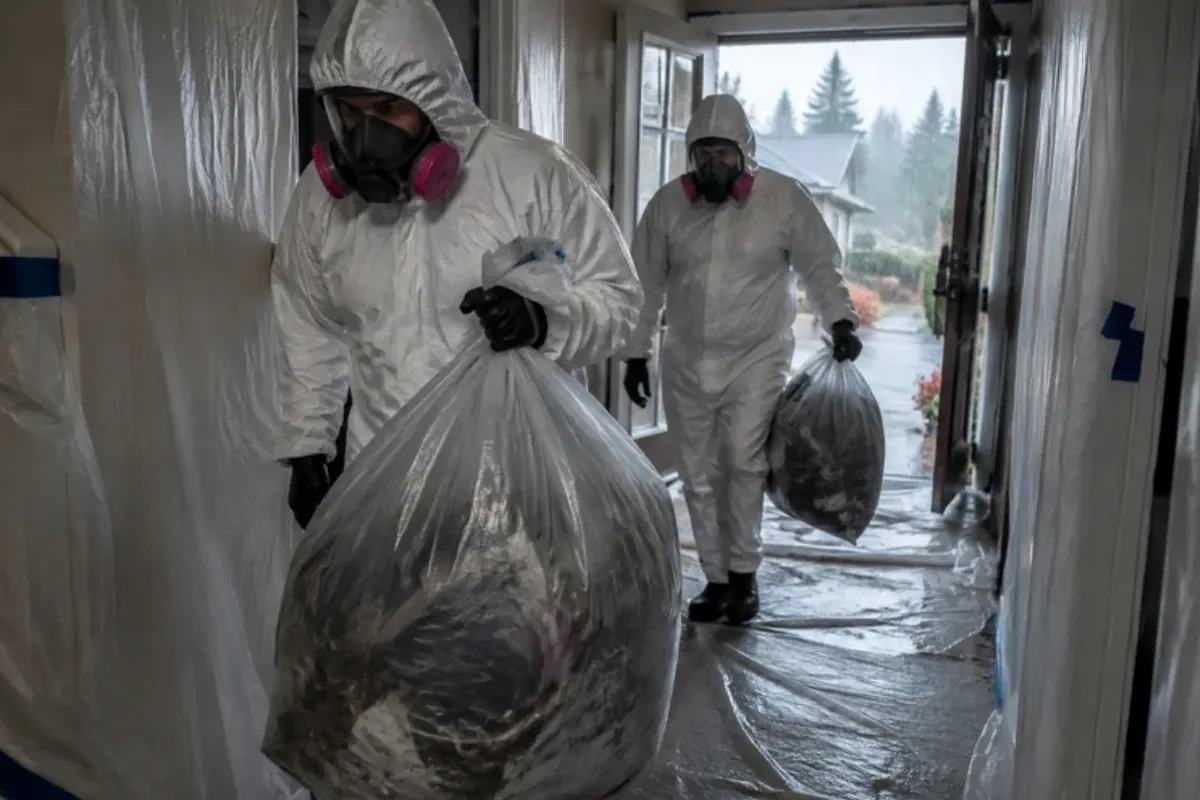
Mold services in Chapel Hill
Rain, creeks and hills
A university town with older neighborhoods around Franklin Street and planned communities such as Southern Village, it also has some well-documented water trouble. The Town's own flood page lists places that flood in heavy rain: Bolin Creek when it leaves its banks, S. Estes Drive, Cleland Road and parts of Franklin Street. It advises people not to park in the floodplain. Brookwood, Chapel Hill Northside and The Shire appear among the neighborhoods people search for here, and the same page is worth reading if your street sits low.
When floodwater or a heavy storm gets into a home, the clock matters. EPA says water-damaged areas and items should be dried within 24 to 48 hours to head off mold. After that window, drywall, carpet pad and insulation are the usual casualties. The state also publishes flood hazard maps through its FRIS tool so you can see how a property is mapped.
Older houses and rentals
Pre-war cottages and mid-century homes tend to have crawl spaces with wall vents, original cast iron or galvanized pipes, and attics that were never meant for modern humidity loads. Student and shared rentals add another layer: bathrooms run hot, windows stay closed in summer, and nobody wants to be the one who reports a stained ceiling.
Tenants should know that G.S. 42-42 requires North Carolina landlords to keep a home fit and habitable. The duty to fix imminently dangerous conditions begins once the landlord has notice, and the statute expects repair requests in writing outside emergencies. Date your email and attach photos. A short note naming the room, the stain and the date you first saw it gives everyone a clear record.
From first call to a local visit
You call, we listen, and we pass the call to an independent company that works in this part of Orange County. Expect questions about where the moisture started, how long ago, and how big the affected area looks. Our storm and flood mold page covers the cleanup sequence if water got in recently.
Permits and licensing
The town issues its own permits, and its pages say permits are needed for construction, repair, remodel or alteration work on structures, as well as heating, cooling, electrical and plumbing work. Call 919-968-2718 for the town's building and development services office before you start. Under G.S. 160D-1110, many $40,000-or-less repairs to single-family homes avoid a permit, but not those that change plumbing, HVAC or electrical systems.
At $40,000 or more, North Carolina requires a general contractor license under G.S. 87-1, and the state licensing board has a free lookup. State public health guidance also says not to hire a consultant who does remediation as well.
Common questions in Chapel Hill
Which Chapel Hill streets does the town say can flood?
How fast should I dry a water-damaged room?
Does Chapel Hill issue its own building permits?
I rent near campus and found mold. What should I do?
Nearby cities and towns
Sources
- Town of Chapel Hill: When It Floods
- Town of Chapel Hill: Building Permits and Inspections
- Chapel Hill demographics and neighborhoods
- EPA: A Brief Guide to Mold, Moisture and Your Home
- NC Flood Risk Information System
- G.S. 42-42, landlord duties
- G.S. 160D-1110, building permit exemption
- NC Licensing Board for General Contractors: consumer FAQ
- G.S. 87-1, general contractor license
- NC Division of Public Health: choosing a mold consultant
Last updated: