A test fixes nothing by itself. It gives information, and that information only helps if the moisture behind the mold is found and corrected as well. Call the number on this page to be connected with a local mold company in Chapel Hill.
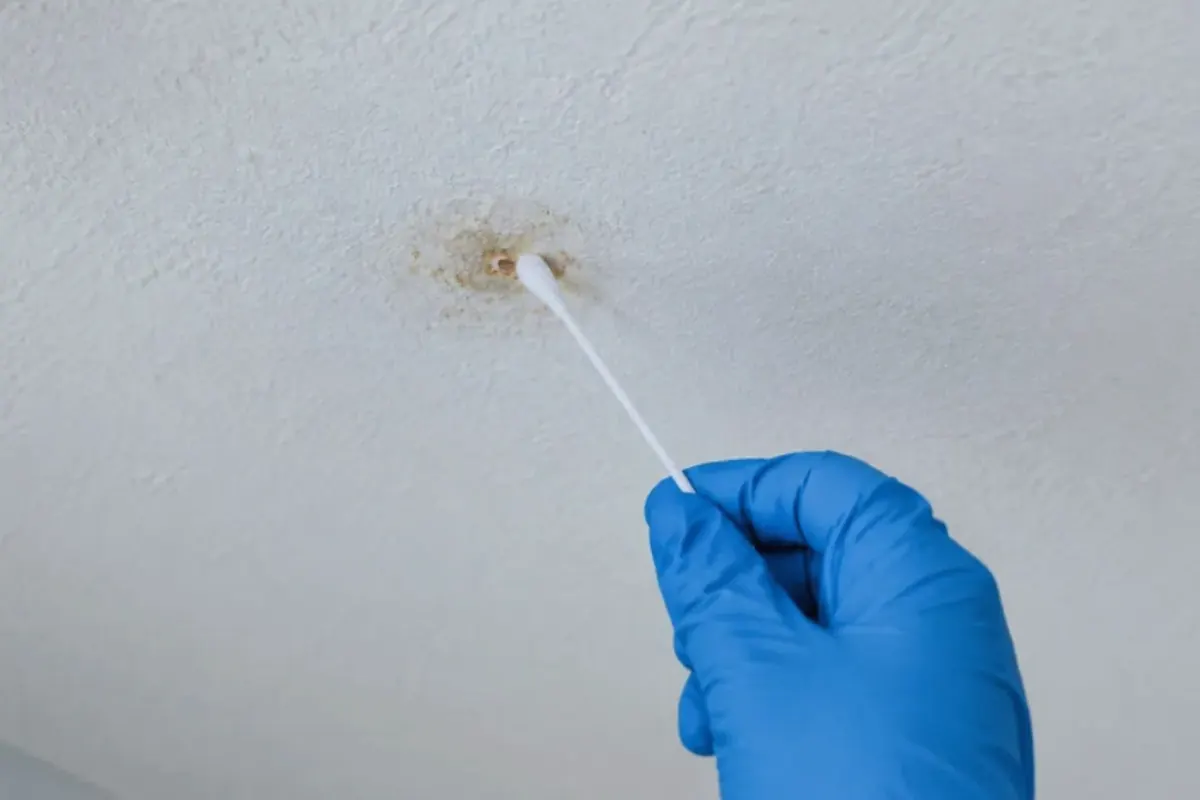
A lab report is not always the starting line
Plenty of people assume sampling comes first. Often it does not. If you can see the growth and know where the water came from, EPA guidance points toward drying and removal. A test fits better when the cause is still a mystery.
How air sampling works
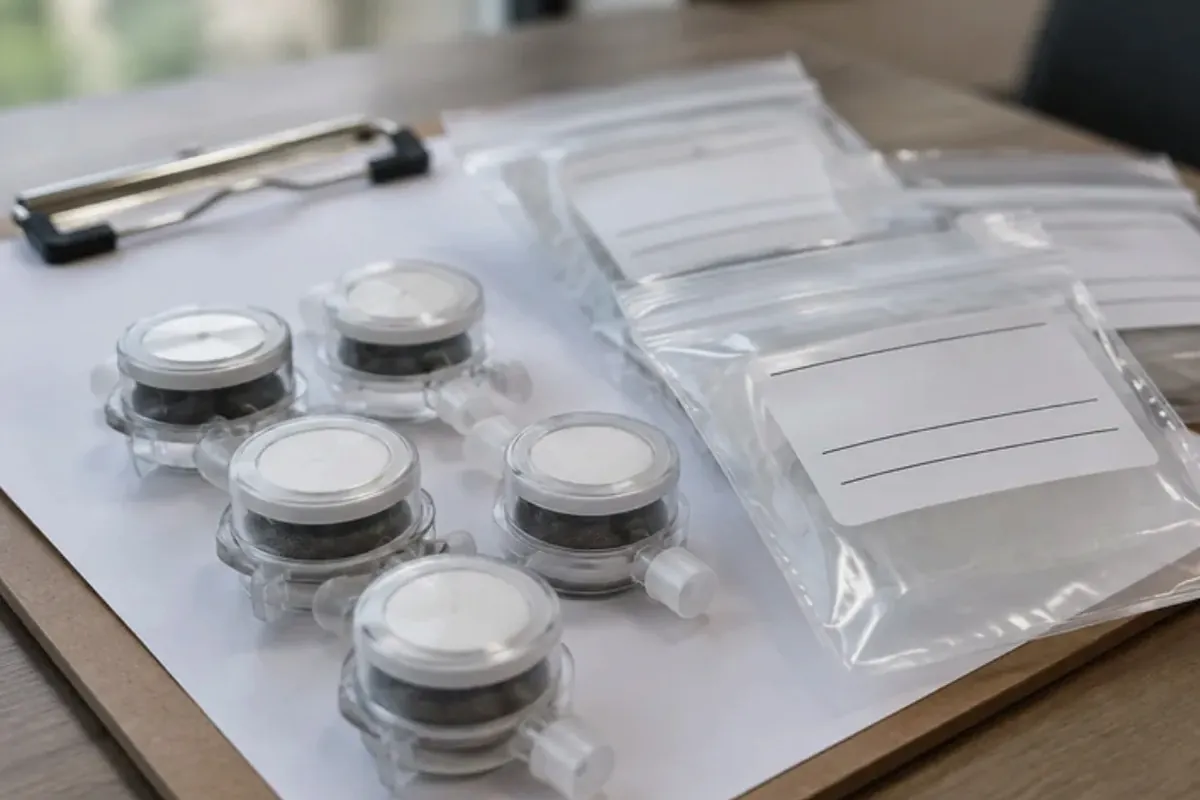
A pump pulls a measured volume of room air across a collection plate, and the lab counts and names the spores. Assessors normally take an outdoor sample too, since outside air is the yardstick. Closed-up conditions during collection keep the comparison fair.
What shapes the price
Several things move the cost of testing: how many samples are collected, which analysis the lab runs, how soon results are needed, and how large or complicated the house is. Ask for a written scope so competing proposals can be compared fairly.
Prepare the house
Before the visit, jot down where water has leaked, where the odor is strongest and what repairs were made. Keep doors and windows closed for as long as the assessor asks, and skip heavy cleaning or fogging beforehand. Those steps keep the readings honest and the comparison fair.
Ventilation habits that matter
Run bath fans during and after showers, vent the dryer outdoors, and keep furniture a few inches off exterior walls. Small habits like these reduce the damp corners where a test would otherwise keep finding trouble, whatever the last lab report said.
Rules and offices for Chapel Hill mold jobs
The NC Division of Public Health suggests not hiring a mold consultant who also sells the remediation, so the person who finds the problem isn't the one paid to fix it.
Renting? N.C.G.S. 42-42 requires landlords to keep a home fit and habitable and to repair supplied plumbing and heating; outside an emergency, send the repair request in writing.
Cleanup on its own rarely needs a permit. Replacing framing, wiring, ductwork or plumbing afterward can, and the Town of Chapel Hill building and development services office can tell you what applies.
If creek or river water came inside, look the address up in North Carolina's Flood Risk Information System and call your insurer before cleanup begins.
Callers here are often matched with companies that work in Carrboro, Durham and Morrisville as well.
Chapel Hill at a glance
Calls come in from across Chapel Hill, including Southern Village, Chapel Hill Northside, The Shire.
The Town's flood page lists areas that flood during heavy rain, including Bolin Creek when it leaves its banks, S. Estes Drive, Cleland Road and parts of Franklin Street, and advises avoiding parking in the floodplain.
Mold Testing questions in Chapel Hill
What is a mold test?
Should I clean the area before a test?
How many samples will the assessor take?
What should I do after a test shows mold?
More mold services in Chapel Hill
Mold Testing nearby
Helpful guides
Sources
- Town of Chapel Hill Building Permits and Inspections
- Town of Chapel Hill Building Permits and Inspections: flood information
- N.C. General Statutes 87-1: general contractor license
- NC Licensing Board for General Contractors: consumer FAQ
- NC Division of Public Health: choosing a mold consultant
- N.C. General Statutes 42-42: landlord to provide fit premises
- NC Flood Risk Information System
Last updated: