Inspectors read the building as much as the mold: roof lines, plumbing, ducts, the crawl space and the grading outside. That is how they explain why a problem started, not only that it exists. Call the number on this page to be connected with a local mold company in Cary.
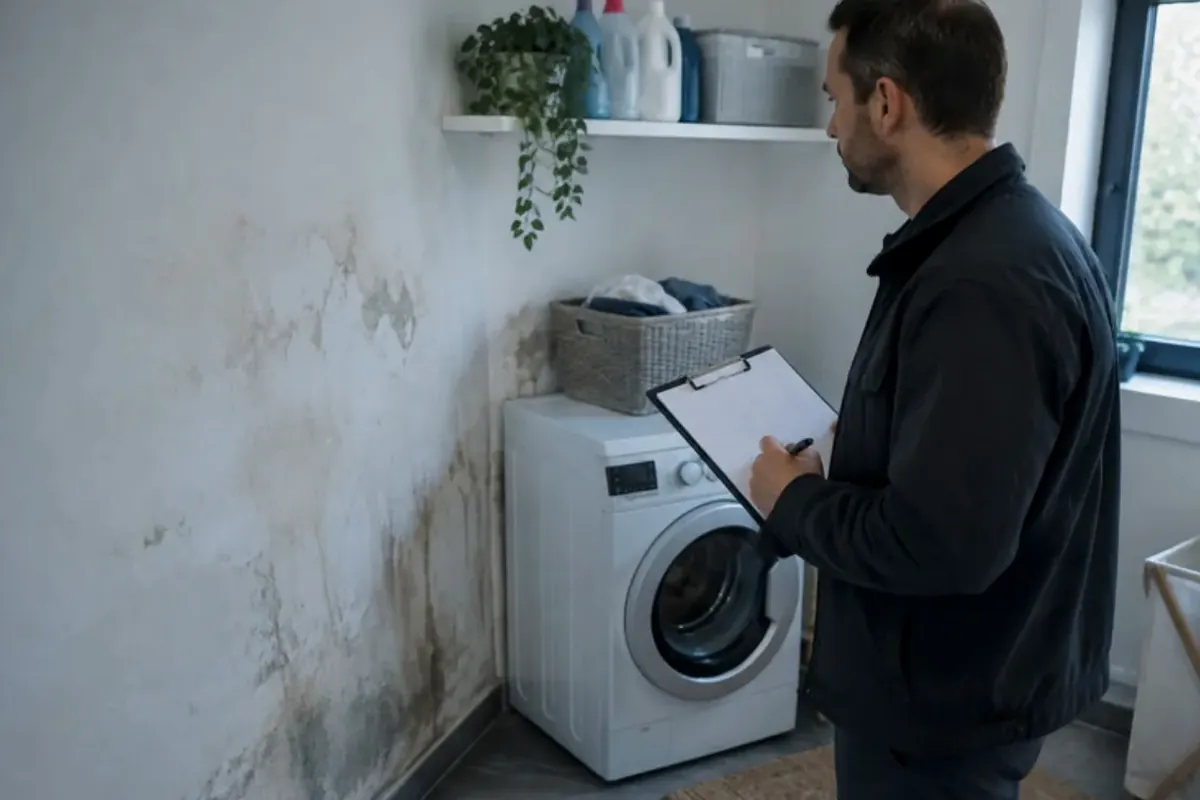
Smell without a source
A damp odor in a closet, bathroom or hallway often means moisture is trapped behind a surface. Nothing may show on the wall itself. An inspector with a meter and a flashlight can trace where the dampness starts without tearing everything open first.
The meter often finds it first.
Water outside the walls
Red clay soil holds rain, so downspouts that dump close to the foundation or yards that slope toward the house are common finds. These details sit outside the building but drive many of the problems that show up inside.
Fixing the outside often fixes the inside.
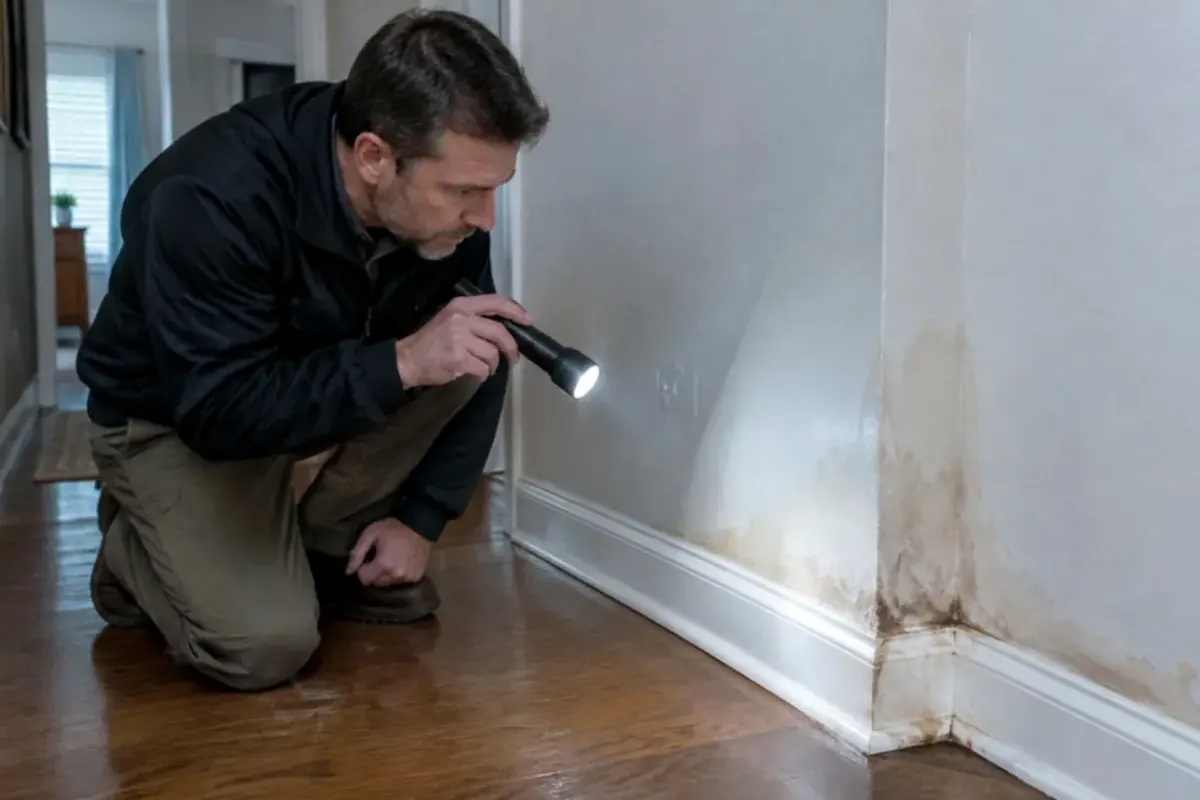
Inspection and cleanup are separate bills
An inspection fee covers looking and reporting, not removal. If the findings call for a cleanup, that is a different quote, ideally from a different company. Keeping the two apart reduces any incentive to find more work than exists.
Two quotes are better than one.
Questions to ask the inspector
How will you check hidden areas? Do you take samples, and when? Will I get photos? Who writes the cleanup scope? What happens if you find a plumbing problem? Clear answers early save time later and make the report far more useful.
Write the answers down.
Cary permits, rentals and contractor checks
There are no federal rules for indoor air quality consultants, so references, written scopes and a separate assessor matter. Contractor license rules start at $40,000 in North Carolina.
Tenants should put leak and mold complaints in writing. North Carolina's landlord statute, G.S. 42-42, covers repairs needed to keep a rental fit to live in.
Once the moldy material is gone, the rebuild is its own step, and some of it, like new ductwork or structural framing, may need sign-off from the Town of Cary Inspections & Permits office.
If creek or river water came inside, look the address up in North Carolina's Flood Risk Information System and call your insurer before cleanup begins.
Callers here are often matched with companies that work in Morrisville, Apex and Holly Springs as well.
What comes after the report
- Repair the moisture source
- Dry wet materials within 24 to 48 hours
- Get a written cleanup scope
- Compare a few companies
- Arrange a final check afterward
Most of these steps can start the same day. Keep photos of everything before it is dried or moved, so the record shows the original condition. Share the inspector's report with each company you ask for a quote, to keep the bids comparable.
Getting to know Cary
Calls come in from across Cary, including Preston Village, Highcroft Village, Stone Creek Village.
Town of Cary says homes and businesses mapped in the Flood Hazard Area on the published FEMA Flood Insurance Rate Maps are treated under its floodplain program.
Mold Inspection questions in Cary
Can an inspector find mold behind walls?
Do I need an inspection if I can see the mold?
What does the report look like?
Does the inspector need a license?
More mold services in Cary
Mold Inspection nearby
Helpful guides
Sources
- Town of Cary Inspections & Permits
- Town of Cary Inspections & Permits: flood information
- N.C. General Statutes 87-1: general contractor license
- NC Licensing Board for General Contractors: consumer FAQ
- NC Division of Public Health: choosing a mold consultant
- N.C. General Statutes 42-42: landlord to provide fit premises
- NC Flood Risk Information System
Last updated: