A concealed leak often shows itself as a stale smell, a tinted ceiling patch, blistering paint or a floor that feels soft. Each means moisture is present, even if no growth is visible yet. Call the number on this page to be connected with a local mold company in Chapel Hill.
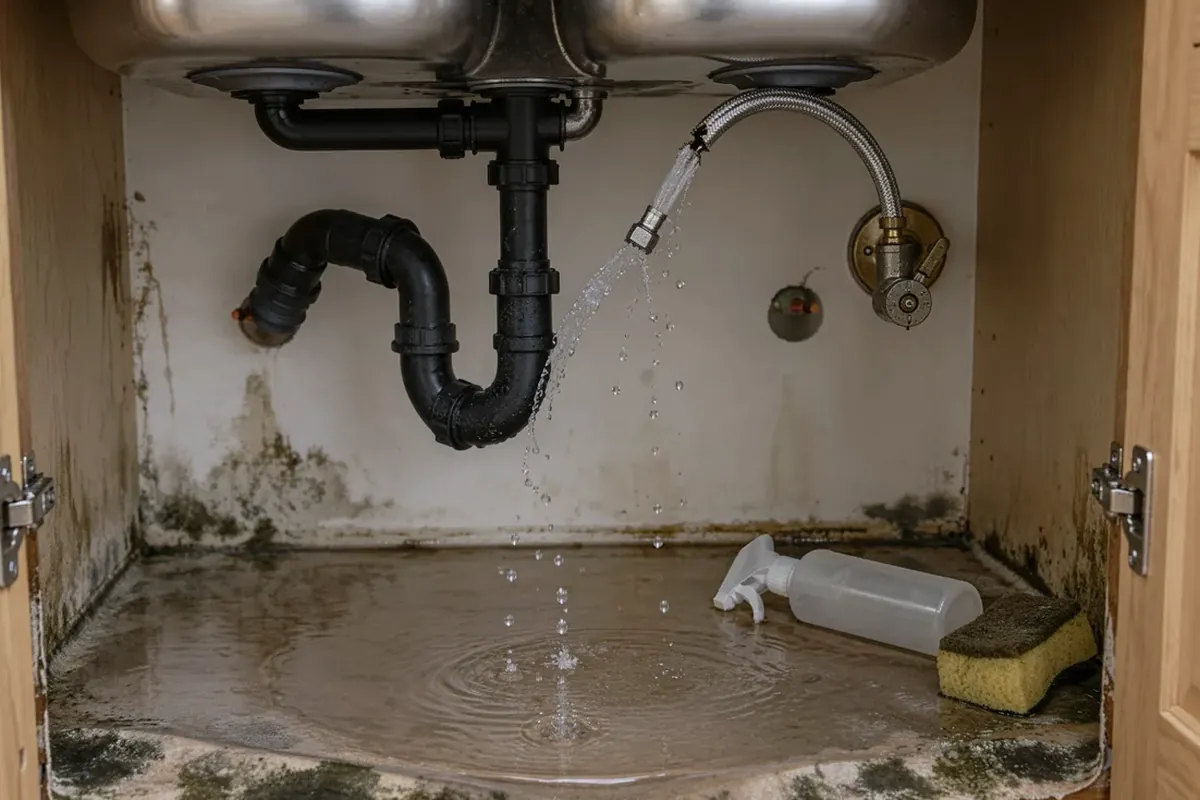
Reasons to call sooner rather than later
Call if the wet area is larger than a doormat, if insulation or carpet pad got soaked, if two days have passed without full drying, or if you simply cannot find where the water went. A local company can trace moisture with meters instead of guesswork.
Bathrooms, kitchens and laundry rooms
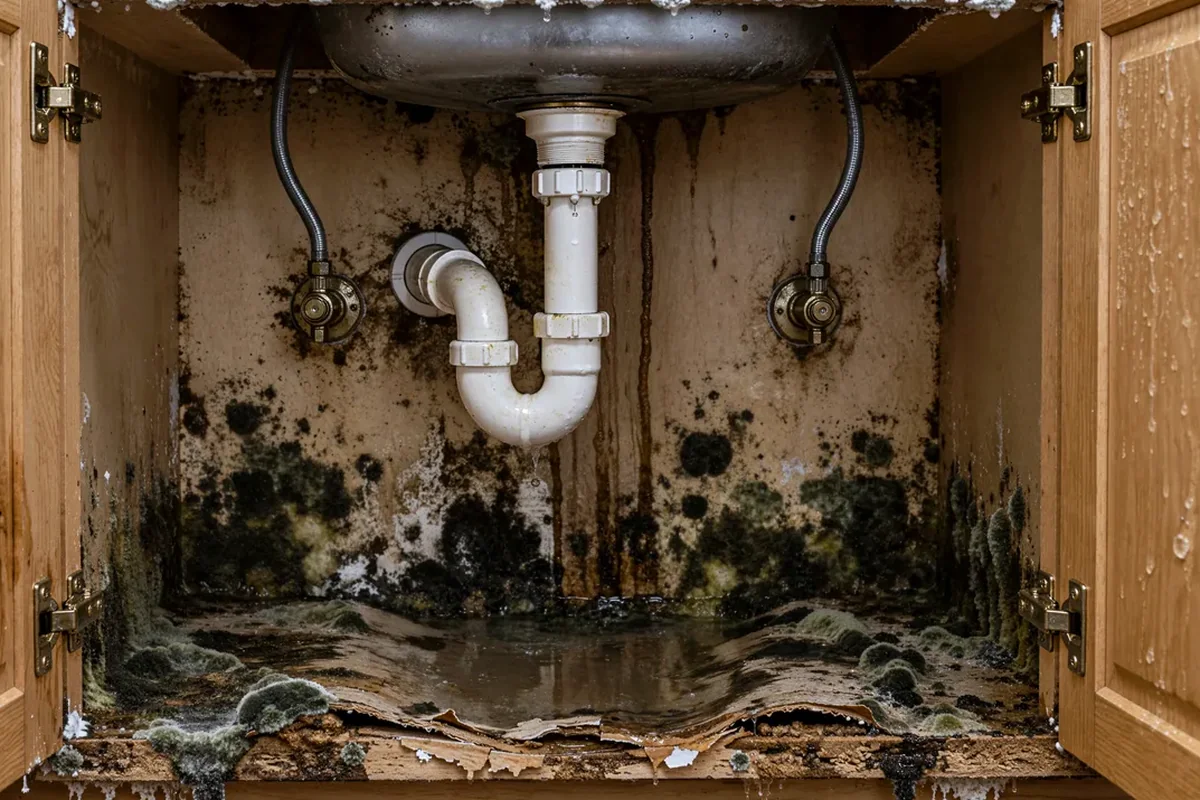
Most leak mold begins in wet rooms: a failed shower pan, a loose supply under the sink, a toilet seal that weeps. Behind tile and cabinets, the damp lingers, and the room fan rarely clears moisture inside a closed cavity. Check under the vanity for staining or warped wood.
Large jobs and the license rule
Whole-house projects that include rebuilding walls and floors can reach the point where North Carolina requires a general contractor license. Check anyone quoting that scope with the NCLBGC lookup before signing, not after the work starts. Ask the company whether any rebuild work falls under that rule.
Clearance and next steps
After removal and drying, some homeowners ask for follow-up testing by an independent party to confirm the area is ready for rebuilding. North Carolina public health guidance advises keeping the tester separate from the company doing the work. Results are usually reviewed before drywall, trim and paint go back.
Do not paint over a stain
Primer and fresh paint cover a ceiling stain but leave the wet material underneath. Mold keeps feeding behind the finish, and the spot reappears. Find out why it is wet first, then decide what has to be opened. Stains that return are a signal, not a cosmetic issue.
Rules and offices for Chapel Hill mold jobs
Be wary of anyone who wants air sampling as the very first step. North Carolina's public health guidance warns about exactly that, and suggests asking plenty of questions before you pay.
Renting? N.C.G.S. 42-42 requires landlords to keep a home fit and habitable and to repair supplied plumbing and heating; outside an emergency, send the repair request in writing.
Under G.S. 160D-1110, many repairs of $40,000 or less in a house need no permit, but structural, plumbing, electrical and HVAC changes do. Check with the Town of Chapel Hill building and development services office.
If creek or river water came inside, look the address up in North Carolina's Flood Risk Information System and call your insurer before cleanup begins.
Callers here are often matched with companies that work in Carrboro, Durham and Morrisville as well.
Chapel Hill at a glance
Calls come in from across Chapel Hill, including Southern Village, Chapel Hill Northside, The Shire.
The Town's flood page lists areas that flood during heavy rain, including Bolin Creek when it leaves its banks, S. Estes Drive, Cleland Road and parts of Franklin Street, and advises avoiding parking in the floodplain.
Leak & Burst Pipe Mold Removal questions in Chapel Hill
How fast does mold grow after a pipe leak?
Can I just dry the area myself?
Where do I report a leak that my landlord ignores?
Does homeowner humidity matter after a leak?
More mold services in Chapel Hill
Leak & Burst Pipe Mold Removal nearby
Helpful guides
Sources
- Town of Chapel Hill Building Permits and Inspections
- Town of Chapel Hill Building Permits and Inspections: flood information
- N.C. General Statutes 87-1: general contractor license
- NC Licensing Board for General Contractors: consumer FAQ
- NC Division of Public Health: choosing a mold consultant
- N.C. General Statutes 42-42: landlord to provide fit premises
- NC Flood Risk Information System
Last updated: