The cleanup order matters: get the water out, run fans and dehumidifiers, remove soaked porous materials, then clean and dry what remains. Rebuilding comes last. Call the number on this page to be connected with a local mold company in New Hill.
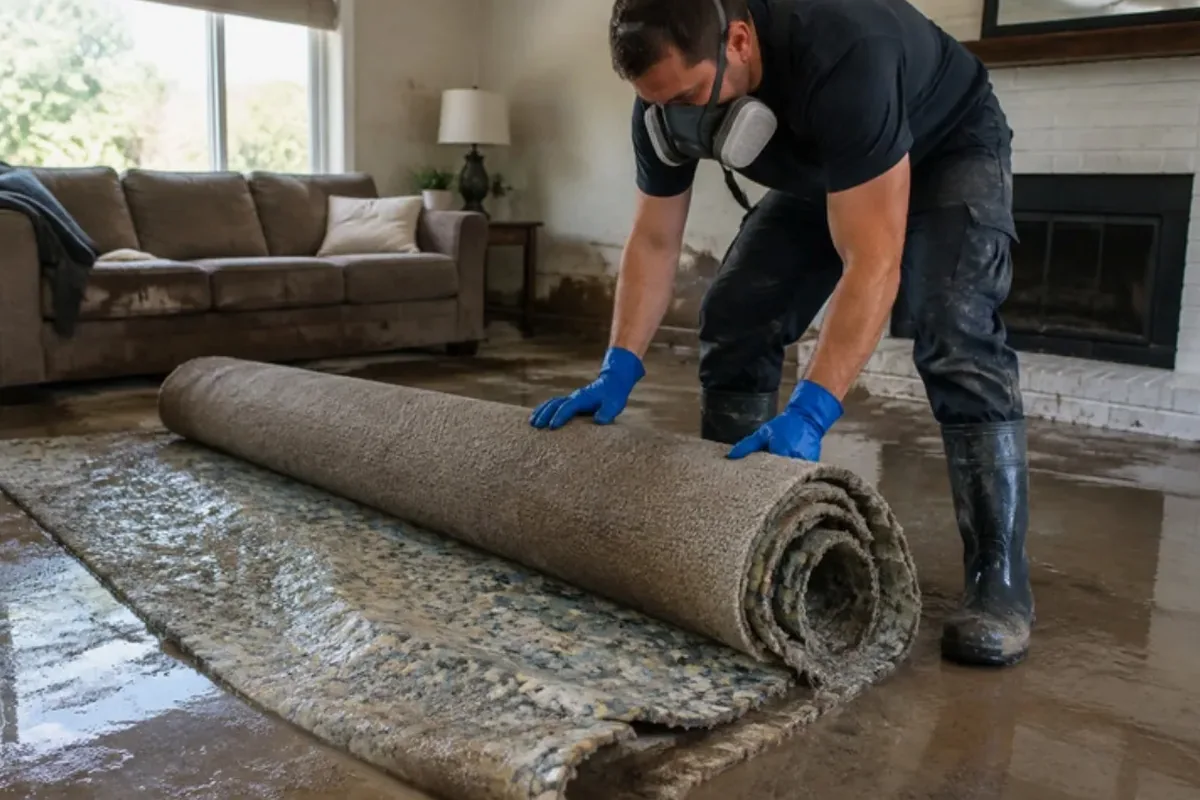
When the job is bigger than a mop
If water stood more than a day, rose above the baseboards, or reached the crawl space insulation, the damage typically exceeds what a homeowner can handle. EPA's rule of thumb for cleaning it yourself is a patch under roughly 10 square feet.
Creek and river flooding
Creeks that run through neighborhoods and rivers like the Neuse and Haw can rise quickly after sustained rain. Homes near them, or on low ground in Chatham County, may see water in yards, garages and lower floors within hours. Homes along creek corridors see it often.
Homes near a river, creek or lake can see water rise on the lot even when the rain has stopped, and floodwater from them tends to carry silt and debris into crawl spaces and lower rooms.
Rural properties with large lots, drainage ditches and older outbuildings often take on storm water in more than one structure, so check the house, the well house and any barn or shop.
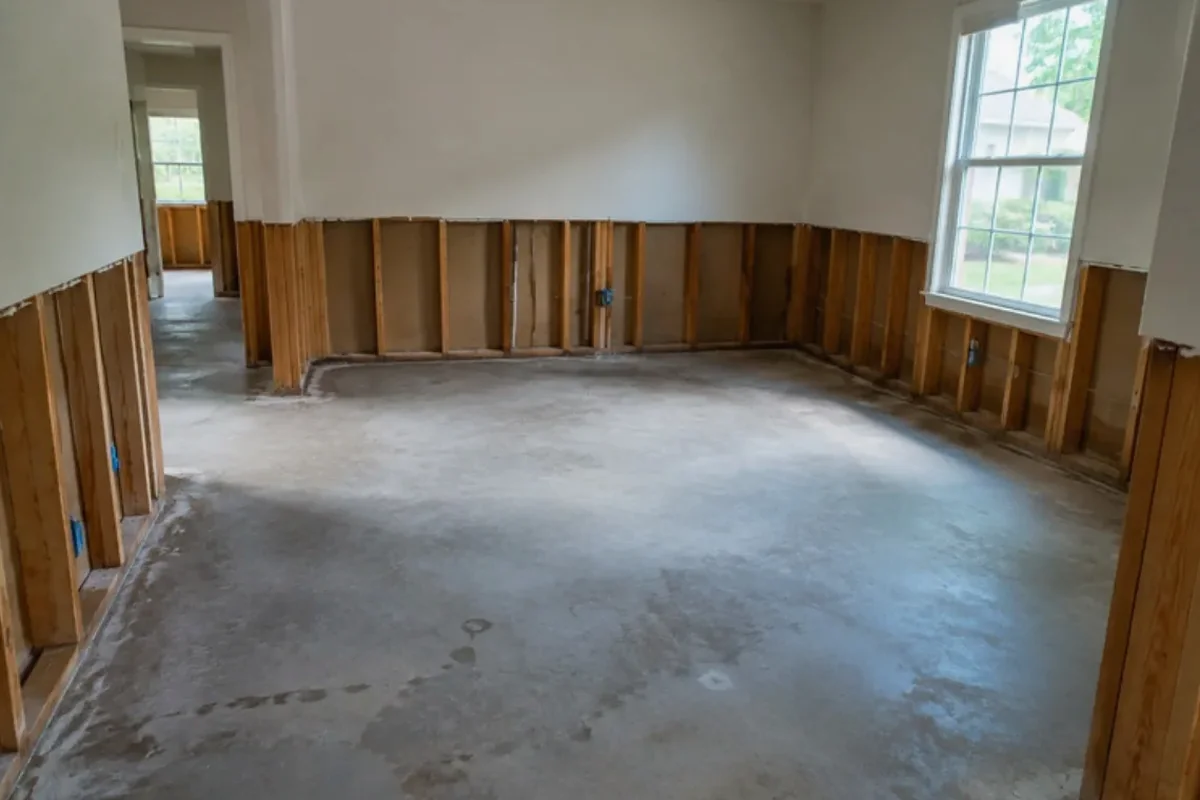
Drying equipment and time
Dehumidifiers, air movers and monitoring add up over several days. Companies usually price drying by the rooms involved and how long equipment runs, so keep a log of readings and ask for them. Faster action tends to shorten that run time. Moisture mapping shows which rooms count.
What you decide on the day
You will likely be asked to approve the scope, say what belongings can be moved and confirm access to the crawl space and electrical panel. Keep photographs and receipts, since adjusters often ask for the details of what was discarded. Proof of dryness matters before anyone closes walls.
If you rent
Tenants who see storm damage should give the landlord written notice quickly. North Carolina G.S. 42-42 expects landlords to keep a rental fit and habitable. Photos of wet floors and walls support your request while repairs are arranged. Keep every photo, invoice and report in a single folder.
Before you hire in New Hill
There are no federal rules for indoor air quality consultants, so references, written scopes and a separate assessor matter. Contractor license rules start at $40,000 in North Carolina.
In a rental, written notice to the landlord starts the clock under state law, which requires repairs that keep the unit in a fit and habitable condition.
Permits for New Hill addresses are handled by Wake County Permits and Inspections; ask there before load-bearing framing or duct runs are replaced.
Flood water and a burst pipe are usually treated differently by insurers; the state's FRIS flood maps show whether a lot sits in a mapped flood zone.
Help is also available nearby in Holly Springs, Moncure and Apex.
Storm & Flood Mold Removal questions in New Hill
What should I throw away after flooding?
Does homeowners insurance cover flood mold in New Hill?
Can a landlord ignore storm damage?
What about a flooded detached garage or shed?
More mold services in New Hill
Storm & Flood Mold Removal nearby
Helpful guides
Sources
- Wake County Permits and Inspections
- Wake County Permits and Inspections: flood information
- N.C. General Statutes 87-1: general contractor license
- NC Licensing Board for General Contractors: consumer FAQ
- NC Division of Public Health: choosing a mold consultant
- N.C. General Statutes 42-42: landlord to provide fit premises
- NC Flood Risk Information System
Last updated: