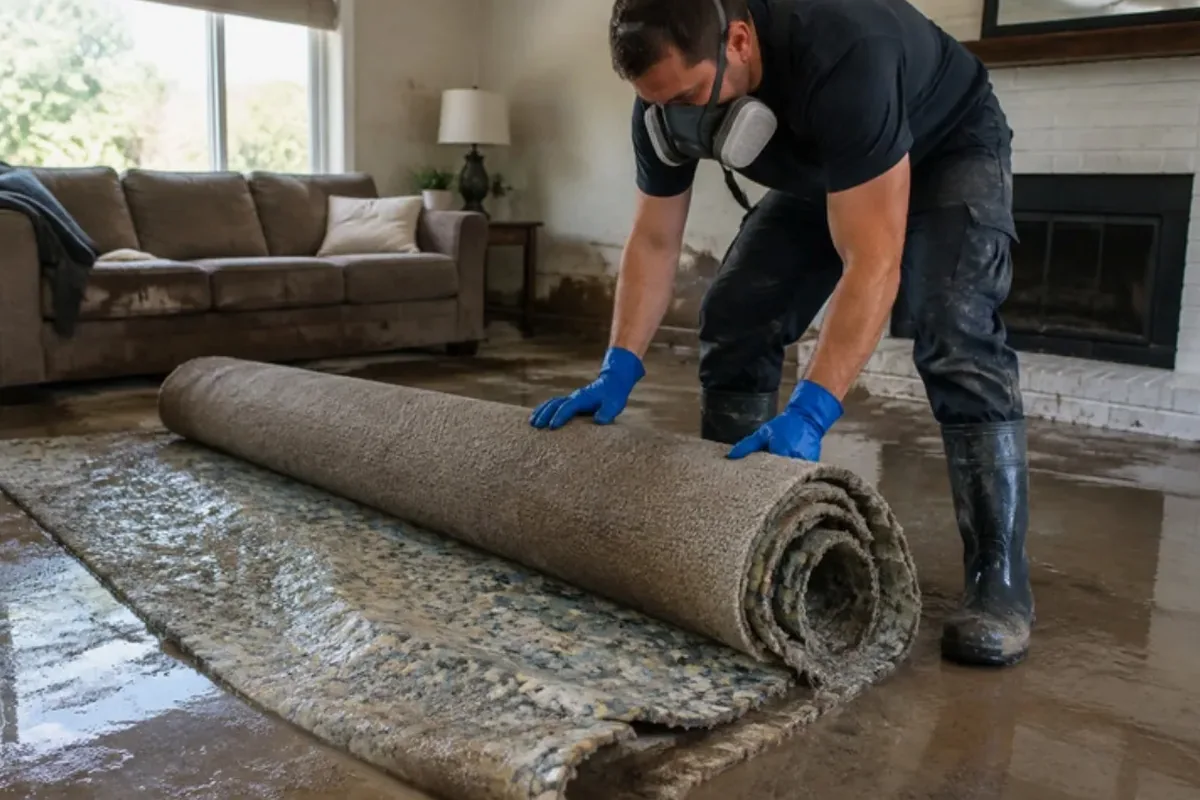
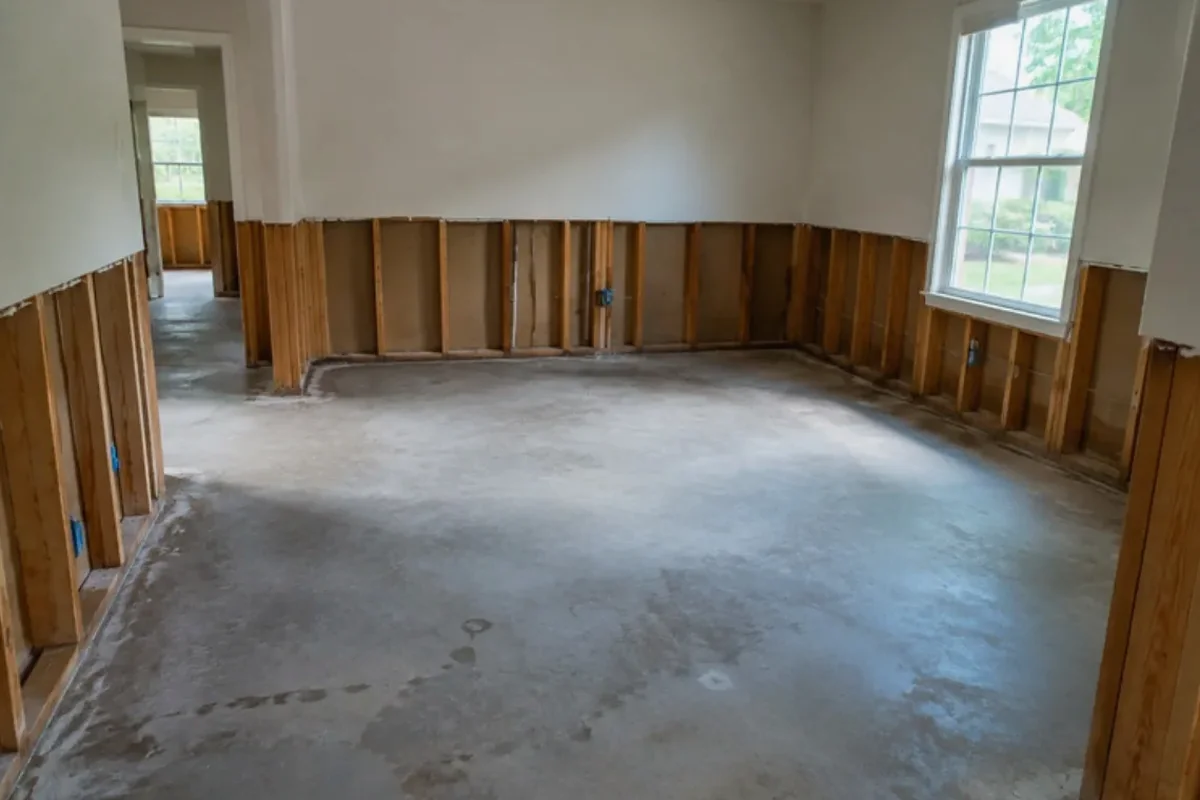
After a flood, mold can start growing on wet materials within a day or two. EPA advises drying everything within 24 to 48 hours, and porous items that stay soaked, like carpet, pad and insulation, usually have to be discarded. Call the number on this page to be connected with a local mold company in Moncure.
Health and safety first
Floodwater may carry contaminants, so wear gloves and boots and keep children and pets out. If you have health concerns, talk with your doctor. Stay clear of electrical outlets and appliances that sat in water until someone qualified checks them. Keep young children away from any wet area.
Rural and farm properties
Farm houses, barns and outbuildings in Franklin, Nash, Granville and Johnston counties often sit near drainage ditches and fields that flood. Older foundations with dirt floors and wells in low spots add to the moisture load after storms. Gravel drives funnel runoff toward the house.
Homes near a river, creek or lake can see water rise on the lot even when the rain has stopped, and floodwater from them tends to carry silt and debris into crawl spaces and lower rooms.
Rural properties with large lots, drainage ditches and older outbuildings often take on storm water in more than one structure, so check the house, the well house and any barn or shop.
Large jobs and the license rule
If cleanup turns into a full rebuild reaching the $40,000 mark, North Carolina requires a general contractor license. Look up anyone quoting that scope with NCLBGC. Smaller jobs may sit below it, but ask what the company holds before you sign. Ask early, before any bid is signed.
Rules and offices for Moncure mold jobs
Be wary of anyone who wants air sampling as the very first step. North Carolina's public health guidance warns about exactly that, and suggests asking plenty of questions before you pay.
In a rental, written notice to the landlord starts the clock under state law, which requires repairs that keep the unit in a fit and habitable condition.
Once the moldy material is gone, the rebuild is its own step, and some of it, like new ductwork or structural framing, may need sign-off from Chatham County Central Permitting & Inspections.
If creek or river water came inside, look the address up in North Carolina's Flood Risk Information System and call your insurer before cleanup begins.
Callers here are often matched with companies that work in Holly Springs, New Hill and Apex as well.
What the first walk-through involves
A company will ask when the water came in, how high it rose and where it came from. It then reads moisture in floors, walls and the crawl space, notes what has already been removed and proposes a drying and removal plan in writing. Early water removal helps.
Before the next storm
- Clean gutters and extend downspouts
- Check crawl space vents and the vapor barrier
- Know where the power and water shutoffs are
- Move valuables off ground-level floors
A short list like this takes an afternoon and limits the damage. Repeat it each spring and before hurricane season peaks.
Storm & Flood Mold Removal questions in Moncure
Can I run fans and a dehumidifier myself?
Does a heavy tropical rain count as a flood?
How long does drying take?
Do I need a license-holder for a big flood repair?
More mold services in Moncure
Storm & Flood Mold Removal nearby
Helpful guides
Sources
- Chatham County Central Permitting & Inspections
- N.C. General Statutes 87-1: general contractor license
- NC Licensing Board for General Contractors: consumer FAQ
- NC Division of Public Health: choosing a mold consultant
- N.C. General Statutes 42-42: landlord to provide fit premises
- NC Flood Risk Information System
- EPA: A Brief Guide to Mold, Moisture and Your Home
Last updated: