Take photos, shut off power to wet areas if it is safe to do so, and start drying as quickly as you can. Then bring in help for anything soaked or musty. Call the number on this page to be connected with a local mold company in Holly Springs.
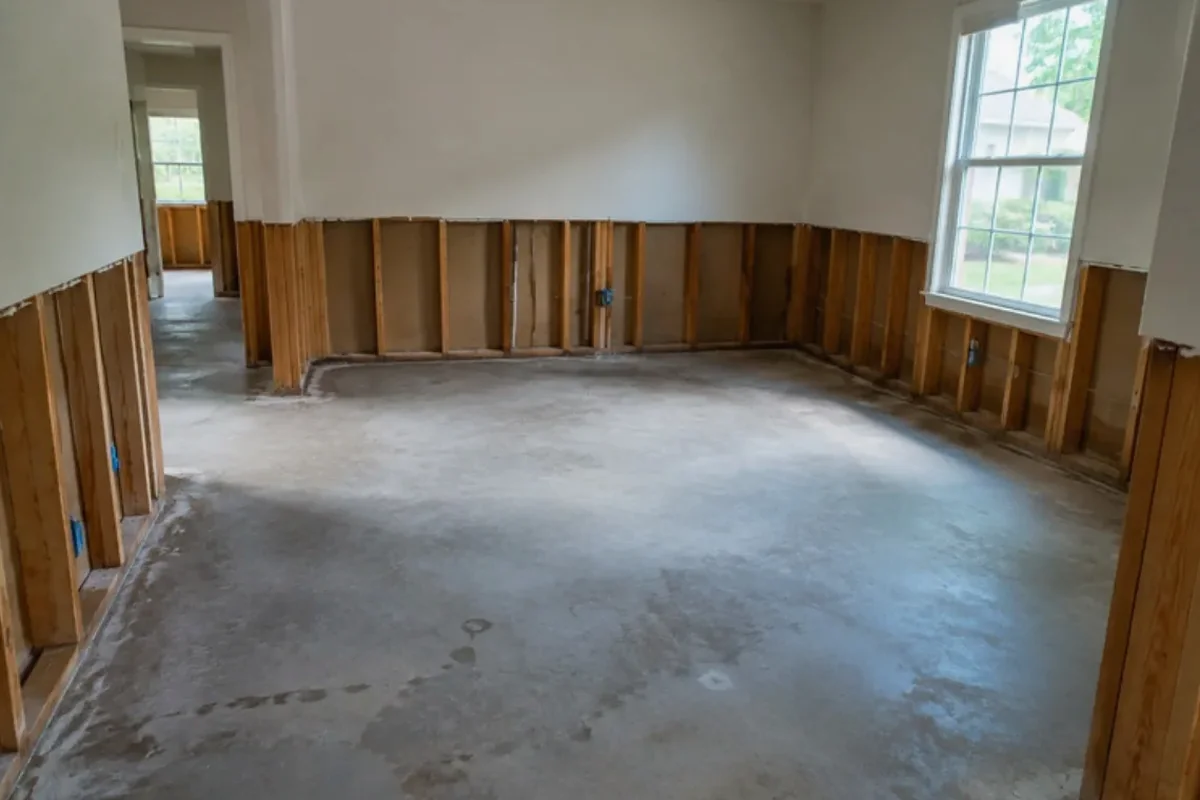
Signs the water left mold behind
A musty or earthy odor that returns each time the AC kicks on, baseboards that stay dark, wallpaper that peels and spots near the floor line all suggest growth. These show up days after the water recedes, once the house closes up and warms.
Why summer storms are worst
Warm, humid air speeds mold growth. Flooding in late summer and early fall, the peak season for tropical rain, hits right when conditions favor growth, so waiting a week to start drying costs far more than it would in cooler months. Quick drying decides the outcome here.
Newer 2000s construction in Holly Springs often uses engineered flooring and drywall-heavy interiors that react badly to being soaked, so quick drying and honest moisture readings matter.
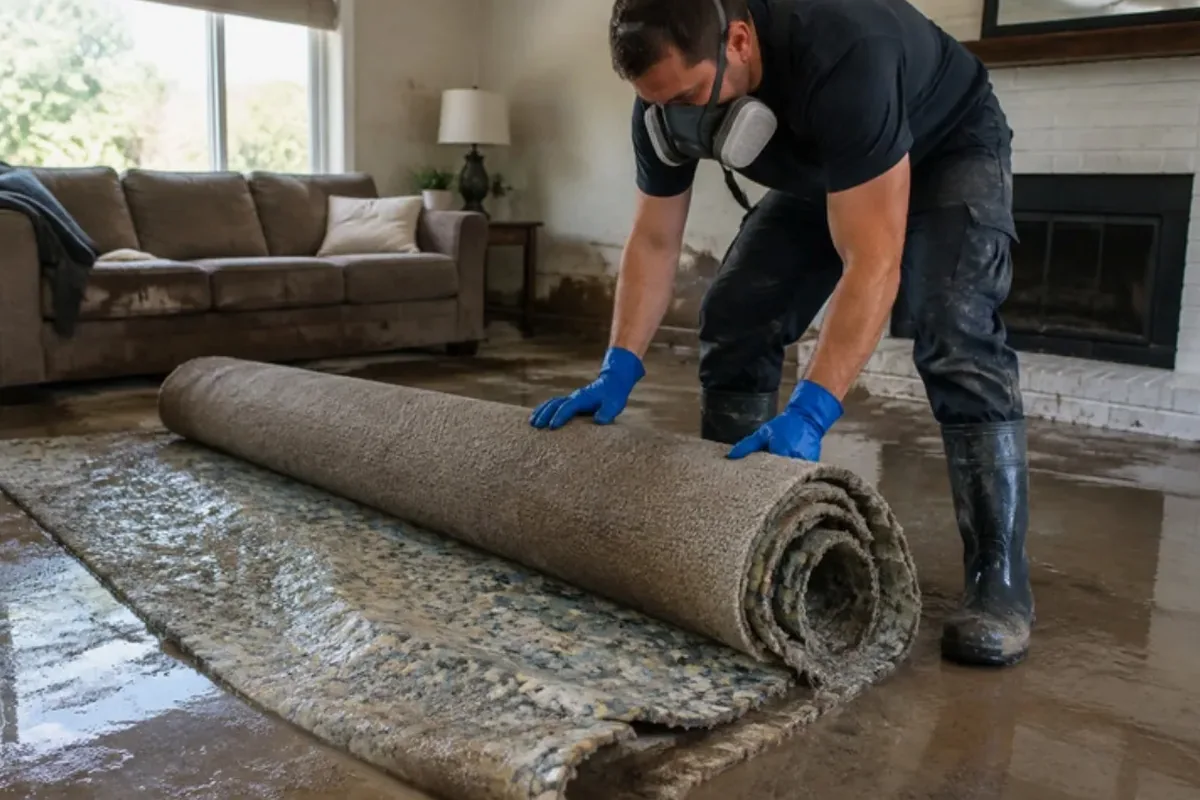
Clean water versus floodwater
Rain through a roof leak is treated differently from creek water carrying mud and debris. Contaminated flooding generally means more material removal and more cleaning steps, which raises labor and disposal costs compared with a simple water intrusion. That makes bids far easier to compare side by side.
Rules and offices for Holly Springs mold jobs
Be wary of anyone who wants air sampling as the very first step. North Carolina's public health guidance warns about exactly that, and suggests asking plenty of questions before you pay.
Renting? N.C.G.S. 42-42 requires landlords to keep a home fit and habitable and to repair supplied plumbing and heating; outside an emergency, send the repair request in writing.
Under G.S. 160D-1110, many repairs of $40,000 or less in a house need no permit, but structural, plumbing, electrical and HVAC changes do. Check with the Town of Holly Springs Permits & Inspections office.
If creek or river water came inside, look the address up in North Carolina's Flood Risk Information System and call your insurer before cleanup begins.
Callers here are often matched with companies that work in Apex, Fuquay-Varina and New Hill as well.
Typical order of work
- Remove standing water and debris.
- Pull soaked carpet, pad and insulation.
- Cut out wall sections that wicked water.
- Clean surfaces and dry the structure.
- Verify moisture levels before rebuilding.
Each step should be documented with readings and photos so the scope can be checked later.
Why waiting hurts
Every day wet materials stay wet raises the chance that mold takes hold, and the material that could have been dried becomes material that must be removed. Quick action after a flood is the most effective protection you have. Clear scopes avoid arguments once the walls are open.
Holly Springs at a glance
Calls come in from across Holly Springs, including NC 55, New Hill Road, Tallicud Road.
Floodplains make up about 17.3 percent of the Holly Springs planning area, along creeks including Middle Creek, Utley Creek and White Oak Creek.
Storm & Flood Mold Removal questions in Holly Springs
My crawl space flooded but the house looks fine. Do I need to call?
How do I know if the crawl space is the problem?
Is it safe to stay in the house?
How long does drying take?
More mold services in Holly Springs
Storm & Flood Mold Removal nearby
Helpful guides
Sources
- Town of Holly Springs Permits & Inspections
- Wake County Permits and Inspections: flood information
- N.C. General Statutes 87-1: general contractor license
- NC Licensing Board for General Contractors: consumer FAQ
- NC Division of Public Health: choosing a mold consultant
- N.C. General Statutes 42-42: landlord to provide fit premises
- NC Flood Risk Information System
Last updated: