A typical job runs from a few days to a couple of weeks, depending on how much is affected and how long the structure takes to dry. The drying stage is often the longest part. Call the number on this page to be connected with a local mold company in Wake Forest.
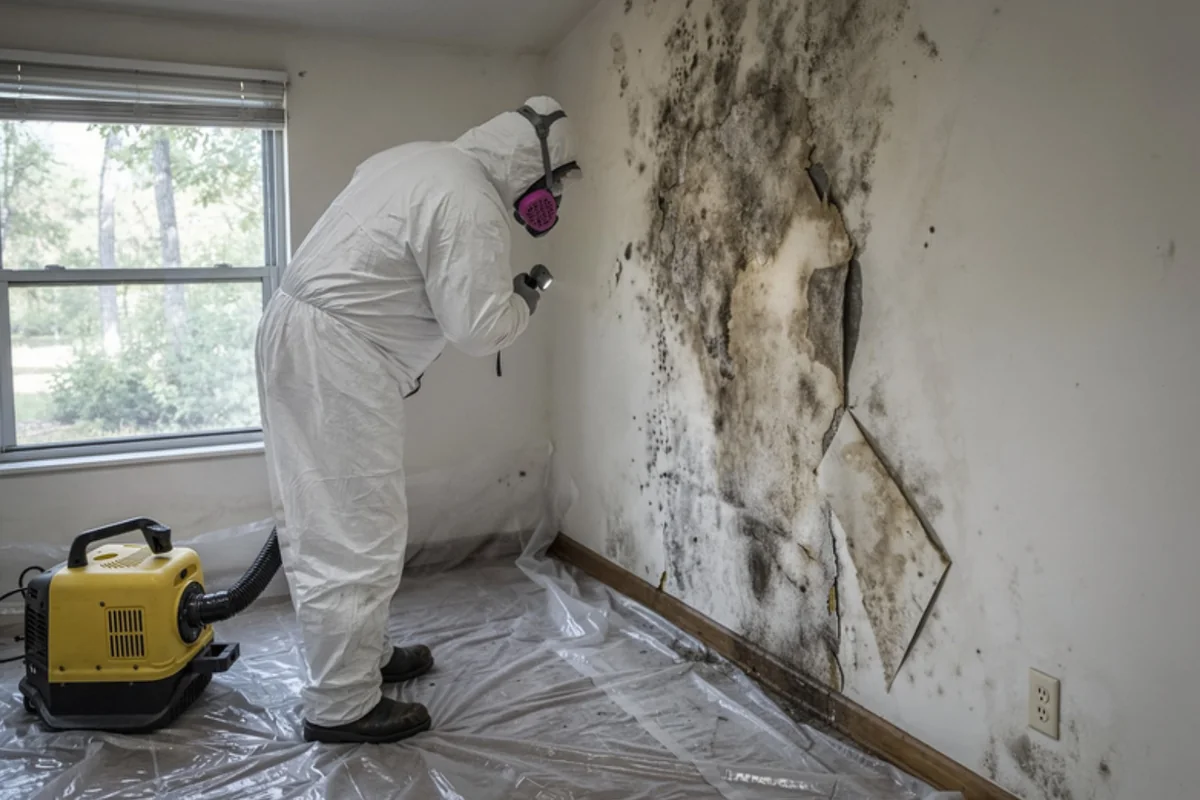
HEPA vacuums and damp wiping
After the damaged layers come out, framing and surfaces get vacuumed with HEPA-filtered machines and wiped with detergent solutions. The goal is to lift spores and residue off the material rather than simply coat it. Dust control continues until the zone is dismantled.
The filters trap fine particles instead of blowing them back into the room.
Tight homes with strong air conditioning
Newer houses are sealed well, which keeps cool air in but also traps indoor moisture. Cold supply ducts in humid attics sweat, and oversized AC units cool quickly without removing much moisture. Dampness settles into closets, vents and ceilings.
Check those spots first when you smell mustiness without seeing any growth at all.
Homes near a river, creek or lake can sit on low ground where the water table rises after storms. Crawl spaces and lower walls here tend to stay damp longer and need extra attention to drainage.
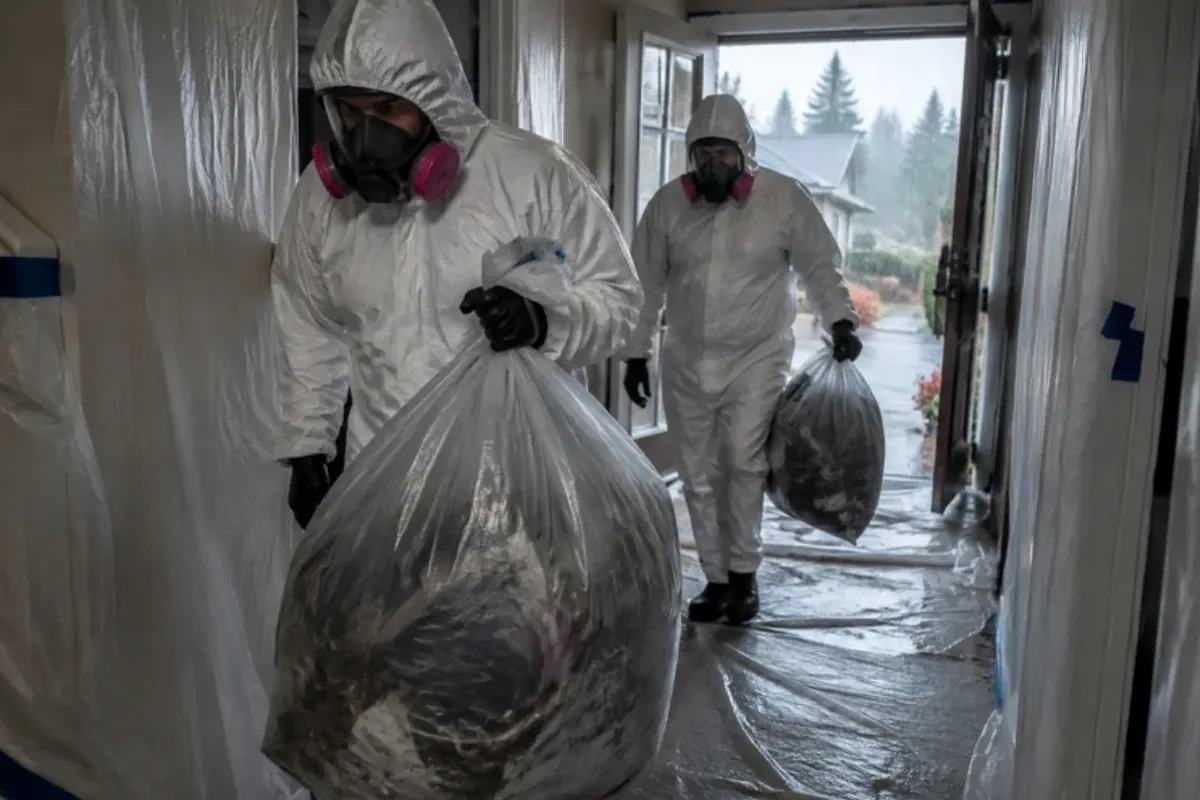
What moves the price
- Square footage affected
- How many materials come out
- Crawl space or attic access
- Containment and air scrubbing needs
- Days of drying equipment
- Rebuilding afterward
None of these is fixed, because every house differs. A fair quote shows how each one applies, and a written scope shows which are actually part of the job.
Rules and offices for Wake Forest mold jobs
The NC Division of Public Health suggests not hiring a mold consultant who also sells the remediation, so the person who finds the problem isn't the one paid to fix it.
In a rental, written notice to the landlord starts the clock under state law, which requires repairs that keep the unit in a fit and habitable condition.
Permits for Wake Forest addresses are handled by the Town of Wake Forest Inspections Department; ask there before load-bearing framing or duct runs are replaced.
If creek or river water came inside, look the address up in North Carolina's Flood Risk Information System and call your insurer before cleanup begins.
Callers here are often matched with companies that work in Youngsville, Rolesville and Franklinton as well.
Questions worth asking
- What is the written scope?
- How will the area be sealed?
- Who fixes the water source?
- How will drying be measured?
- Who does the final check?
Write the answers down so you can compare companies side by side. A hesitant reply is useful information.
After the cleanup
- Direct downspouts well away from the footing
- Keep crawl space vents and any vapor barrier in good shape
- Have the AC drain line checked each season
- Fix small leaks right away
- Watch for new stains
Save the photos and the list in one folder, and add dates so the sequence is clear.
Around Wake Forest
Calls come in from across Wake Forest, including North Main Street historic district, Glen Royall Mill Village, South White Street (downtown).
The Glen Royall Mill Village Historic District has housing built starting in 1900, so older wood-frame stock sits in the town core.
Mold Removal & Remediation questions in Wake Forest
What is the difference between mold removal and mold remediation?
Is bleach a good way to kill mold?
Will the company repair or rebuild the walls?
Who handles the paperwork if I'm selling my house?
More mold services in Wake Forest
Mold Removal & Remediation nearby
Helpful guides
Sources
- Town of Wake Forest Inspections Department
- Wake County Permits and Inspections: flood information
- N.C. General Statutes 87-1: general contractor license
- NC Licensing Board for General Contractors: consumer FAQ
- NC Division of Public Health: choosing a mold consultant
- N.C. General Statutes 42-42: landlord to provide fit premises
- NC Flood Risk Information System
Last updated: