A test fixes nothing by itself. It gives information, and that information only helps if the moisture behind the mold is found and corrected as well. Call the number on this page to be connected with a local mold company in Smithfield.
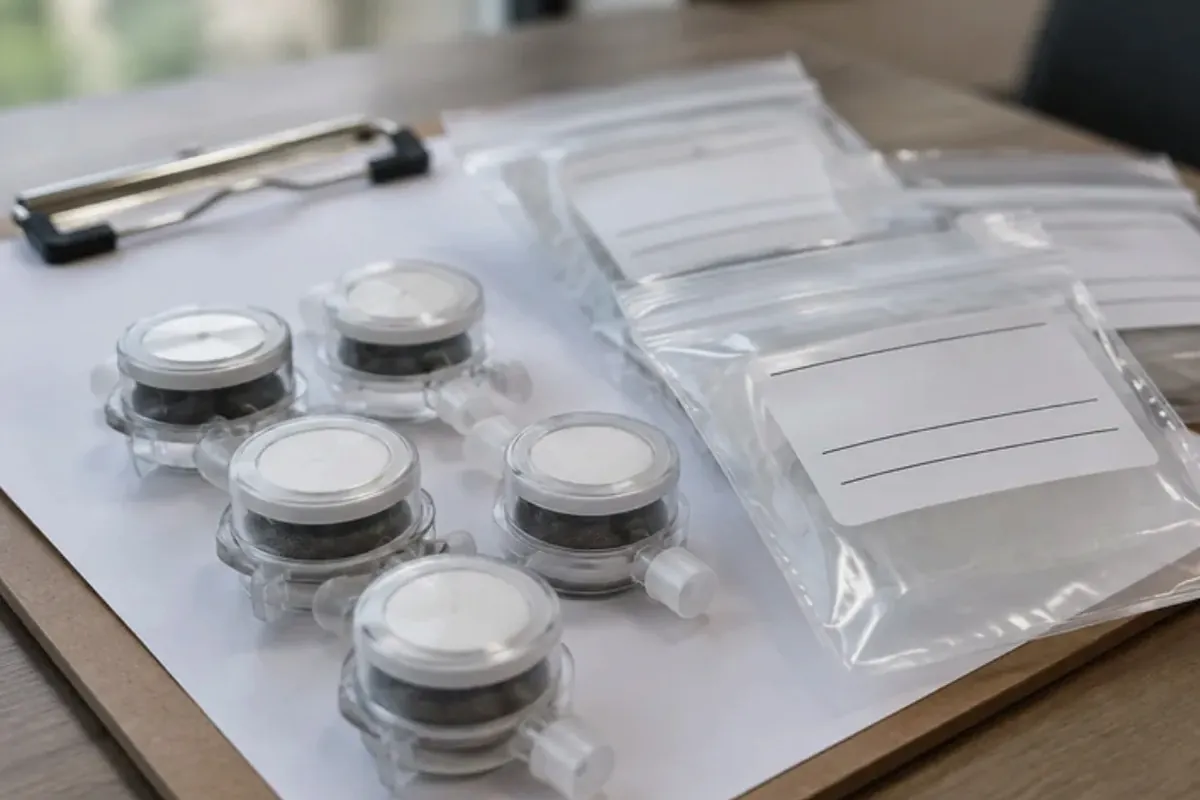
Is testing the right first move?
- Smell but no stain: often yes.
- Visible growth on drywall: usually no, fix the water first.
- Disagreement over a sale or lease: yes, with a written report.
- Cleanup already done: ask about a follow-up check.
Treat this as a rough guide the assessor can adjust.
Surface sampling
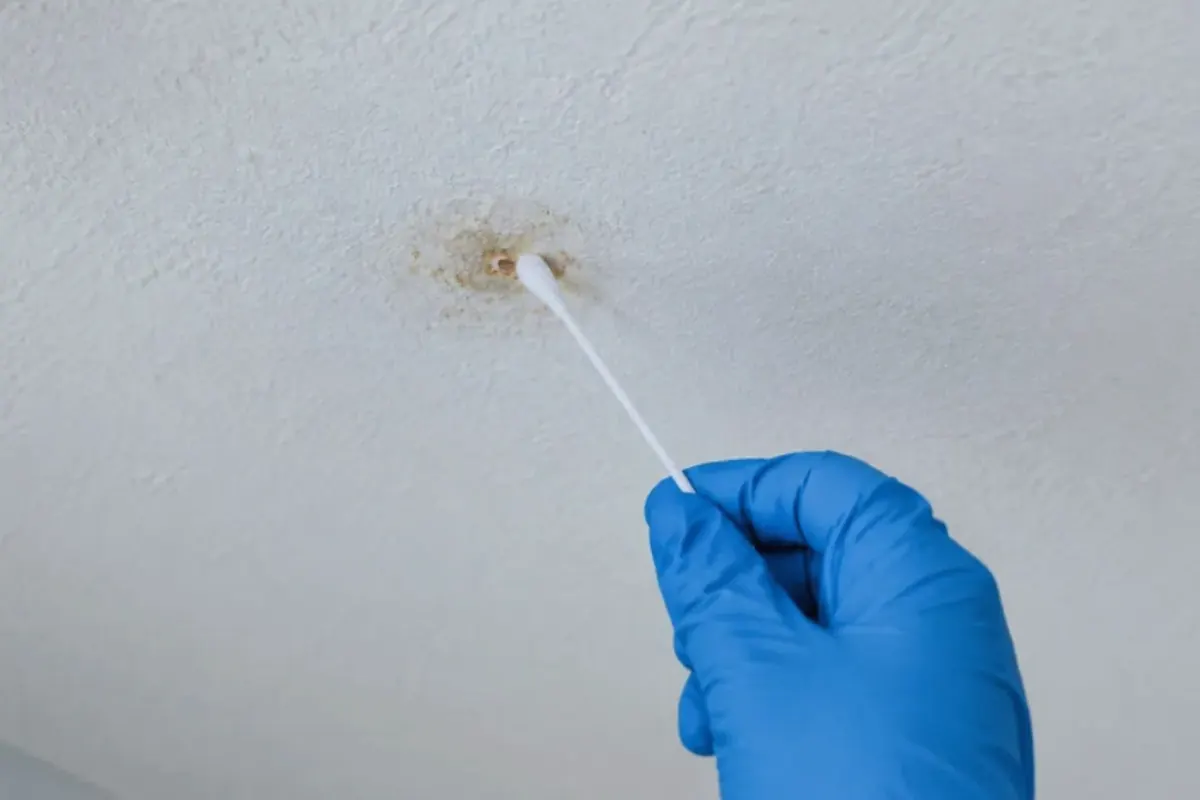
When there is something to look at, a tape lift or swab captures the material itself. The lab then reports which organisms are present, which can say more than a spore count. A stain beneath a sink or on a closet shelf is a typical target.
After heavy rain, properties near water in this part of Johnston County can stay damp for weeks, and an assessor may take samples in lower rooms to compare with higher floors.
Why quotes differ
Two proposals for the same house can sit far apart because one includes a careful visual and moisture inspection while the other just drops off sample cassettes. Compare what is covered, not only the total. A lab number with no context is hard to act on.
Rules and offices for Smithfield mold jobs
The NC Division of Public Health suggests not hiring a mold consultant who also sells the remediation, so the person who finds the problem isn't the one paid to fix it.
Renting? N.C.G.S. 42-42 requires landlords to keep a home fit and habitable and to repair supplied plumbing and heating; outside an emergency, send the repair request in writing.
Cleanup on its own rarely needs a permit. Replacing framing, wiring, ductwork or plumbing afterward can, and Johnston County Building Inspections can tell you what applies.
If creek or river water came inside, look the address up in North Carolina's Flood Risk Information System and call your insurer before cleanup begins.
Callers here are often matched with companies that work in Selma, Four Oaks and Clayton as well.
After the lab results arrive
Read the report, ask about anything unclear, then work in order: stop the water, remove damaged material, clean and dry. If remediation follows, a post-work assessment confirms it did the job. Keep every report with your house records for future buyers, lenders and adjusters.
Keep the sample meaningful
- Repair active leaks before sampling.
- Do not bleach or fog the area beforehand.
- Note when the AC runs and when it does not.
- Keep dated photos of stains.
These habits make any later lab result easier to read and easier to defend if someone questions it.
Mold Testing questions in Smithfield
Do I need a mold test if I can see mold?
What is the difference between mold testing and a mold inspection?
Should I clean the area before a test?
Why does a house near the water need extra attention?
More mold services in Smithfield
Mold Testing nearby
Helpful guides
Sources
- Johnston County Building Inspections Department
- Johnston County Building Inspections Department: flood information
- N.C. General Statutes 87-1: general contractor license
- NC Licensing Board for General Contractors: consumer FAQ
- NC Division of Public Health: choosing a mold consultant
- N.C. General Statutes 42-42: landlord to provide fit premises
- NC Flood Risk Information System
Last updated: