Clay soil in this part of the Piedmont drains slowly, so water around a foundation lingers well after the rain stops. That lingering moisture can keep a crawl space or lower floor damp. Call the number on this page to be connected with a local mold company in Selma.
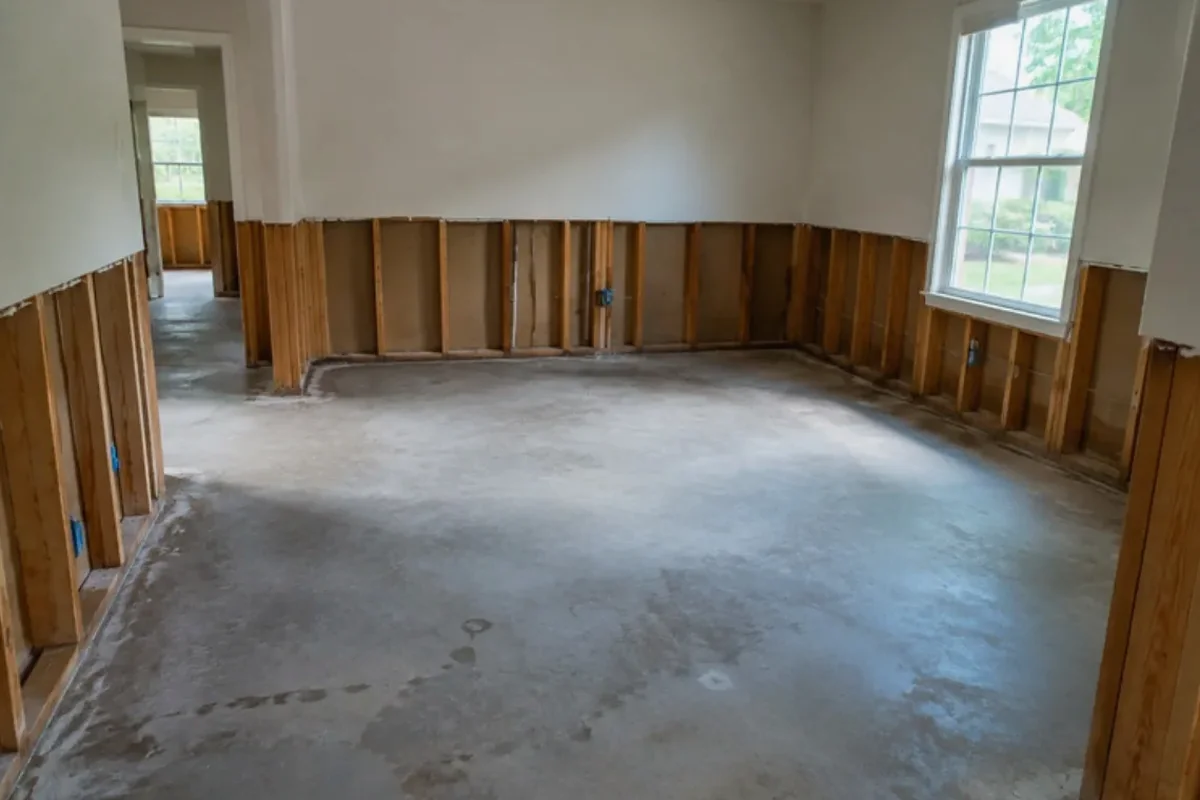
Health and safety first
Floodwater may carry contaminants, so wear gloves and boots and keep children and pets out. If you have health concerns, talk with your doctor. Stay clear of electrical outlets and appliances that sat in water until someone qualified checks them. Keep young children away from any wet area.
Red clay holds on to water
Piedmont clay drains slowly, so water pools against foundations after a storm and stays there. Poor grading and downspouts that empty near the house send even more toward the crawl space, extending the time wood framing stays wet. Fixing grade often helps, since the water has to go somewhere.
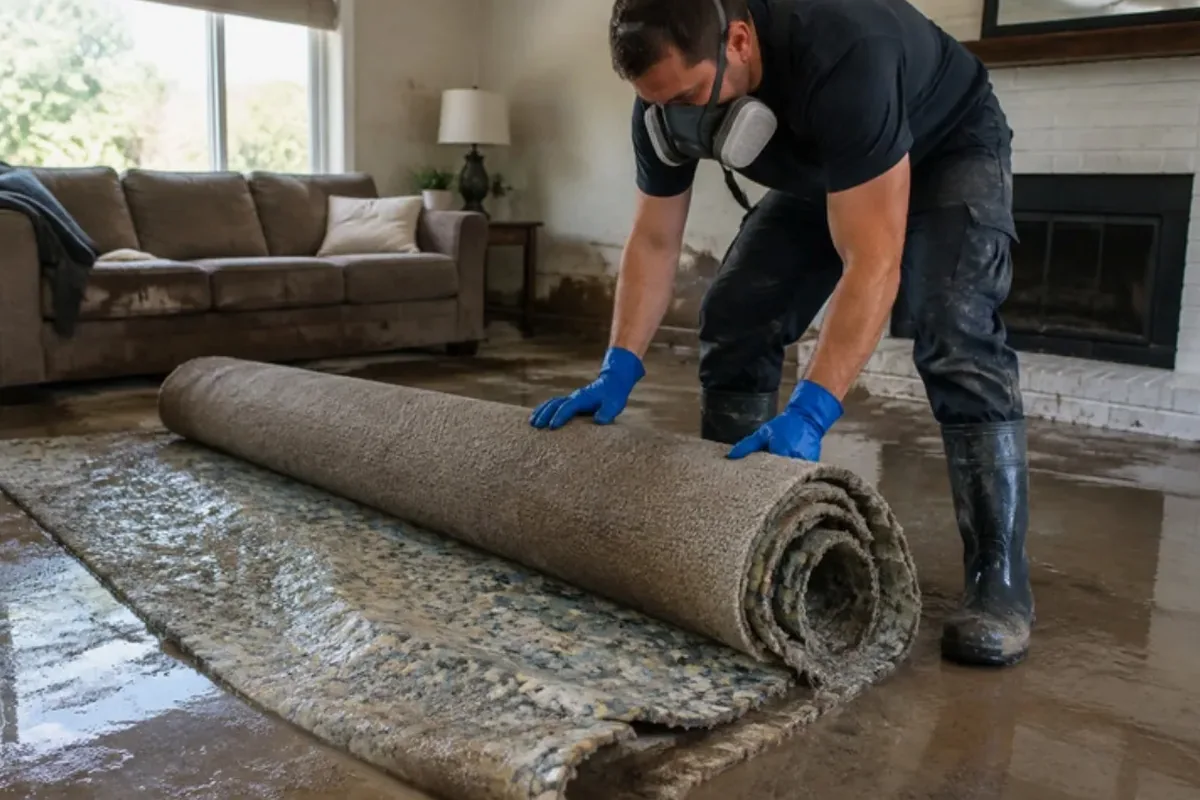
Clean water versus floodwater
Rain through a roof leak is treated differently from creek water carrying mud and debris. Contaminated flooding generally means more material removal and more cleaning steps, which raises labor and disposal costs compared with a simple water intrusion. That makes bids far easier to compare side by side.
Crawl space work
Crews usually pump out water, remove saturated insulation and vapor barrier, treat and dry the framing, and check ducts and the air handler. Some homeowners add a vapor barrier or dehumidifier afterward to stop the next storm from repeating the cycle. Some add a dehumidifier.
Rules and offices for Selma mold jobs
Be wary of anyone who wants air sampling as the very first step. North Carolina's public health guidance warns about exactly that, and suggests asking plenty of questions before you pay.
Renting? N.C.G.S. 42-42 requires landlords to keep a home fit and habitable and to repair supplied plumbing and heating; outside an emergency, send the repair request in writing.
Under G.S. 160D-1110, many repairs of $40,000 or less in a house need no permit, but structural, plumbing, electrical and HVAC changes do. Check with the local building department.
If creek or river water came inside, look the address up in North Carolina's Flood Risk Information System and call your insurer before cleanup begins.
Callers here are often matched with companies that work in Smithfield, Four Oaks and Clayton as well.
Why waiting hurts
Every day wet materials stay wet raises the chance that mold takes hold, and the material that could have been dried becomes material that must be removed. Quick action after a flood is the most effective protection you have. Clear scopes avoid arguments once the walls are open.
Storm & Flood Mold Removal questions in Selma
Can I run fans and a dehumidifier myself?
Do I need a license-holder for a big flood repair?
Where do I find out if my house is in a flood zone?
Who handles permits for flood repairs?
More mold services in Selma
Storm & Flood Mold Removal nearby
Helpful guides
Sources
- Johnston County Building Inspections Department: flood information
- N.C. General Statutes 87-1: general contractor license
- NC Licensing Board for General Contractors: consumer FAQ
- NC Division of Public Health: choosing a mold consultant
- N.C. General Statutes 42-42: landlord to provide fit premises
- NC Flood Risk Information System
- EPA: A Brief Guide to Mold, Moisture and Your Home
Last updated: