Heavy rain from a passing tropical system can soak a house even without a river overflowing, through leaks at the roof, window wells and foundation. Damp rooms afterward deserve a closer look. Call the number on this page to be connected with a local mold company in Middlesex.
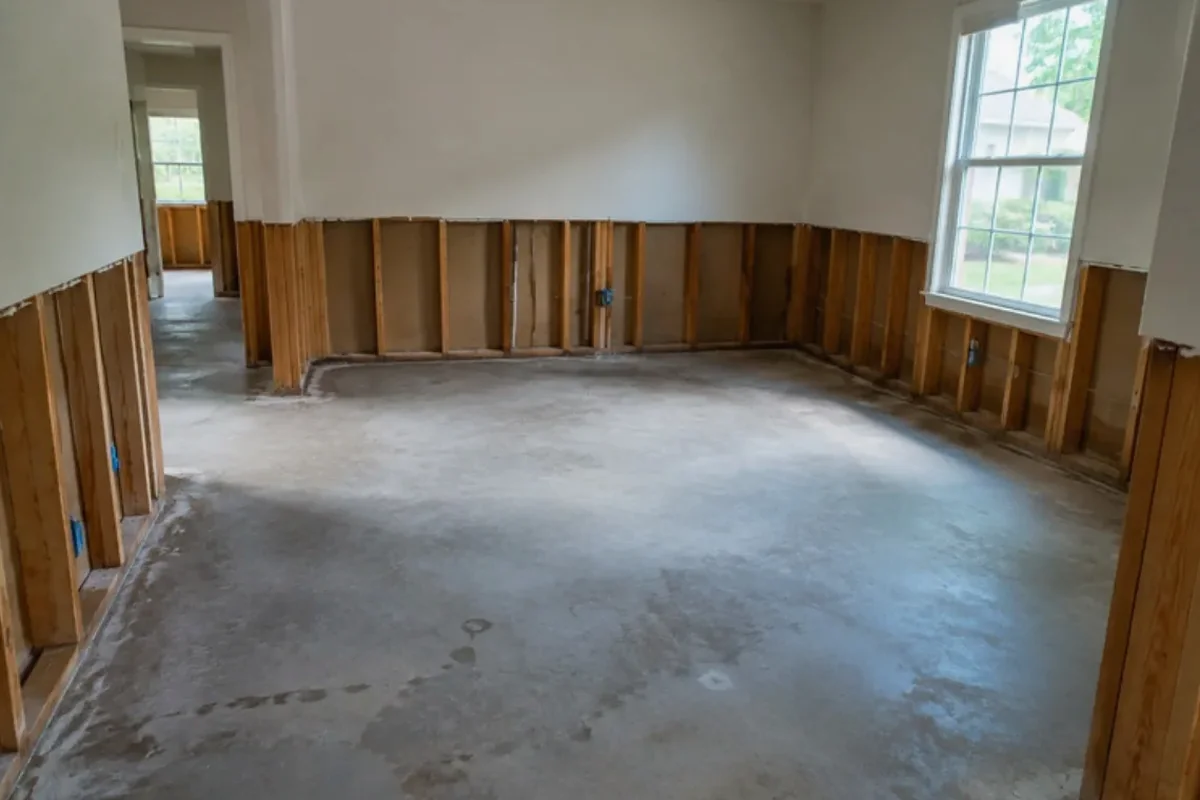
What to do while you wait for help
- Photograph every wet room and item.
- Turn off power to flooded areas if safe.
- Move belongings to dry spots.
- Start air movement and dehumidifiers.
Skip bleach; EPA does not generally recommend it for routine cleanup. Photos also help any insurance claim later.
Tropical remnants and heavy rain
Storms that weaken as they move inland still dump huge amounts of rain on the Piedmont in a short time. Roofs, window wells, doors and low foundation vents let that water in, and the muggy air afterward keeps everything damp. The wet ground afterward also holds humidity against the house.
On farm and country properties, long dirt driveways and field runoff can send water toward the foundation, and farmhouses with older crawl spaces often stay wet well beyond the storm.
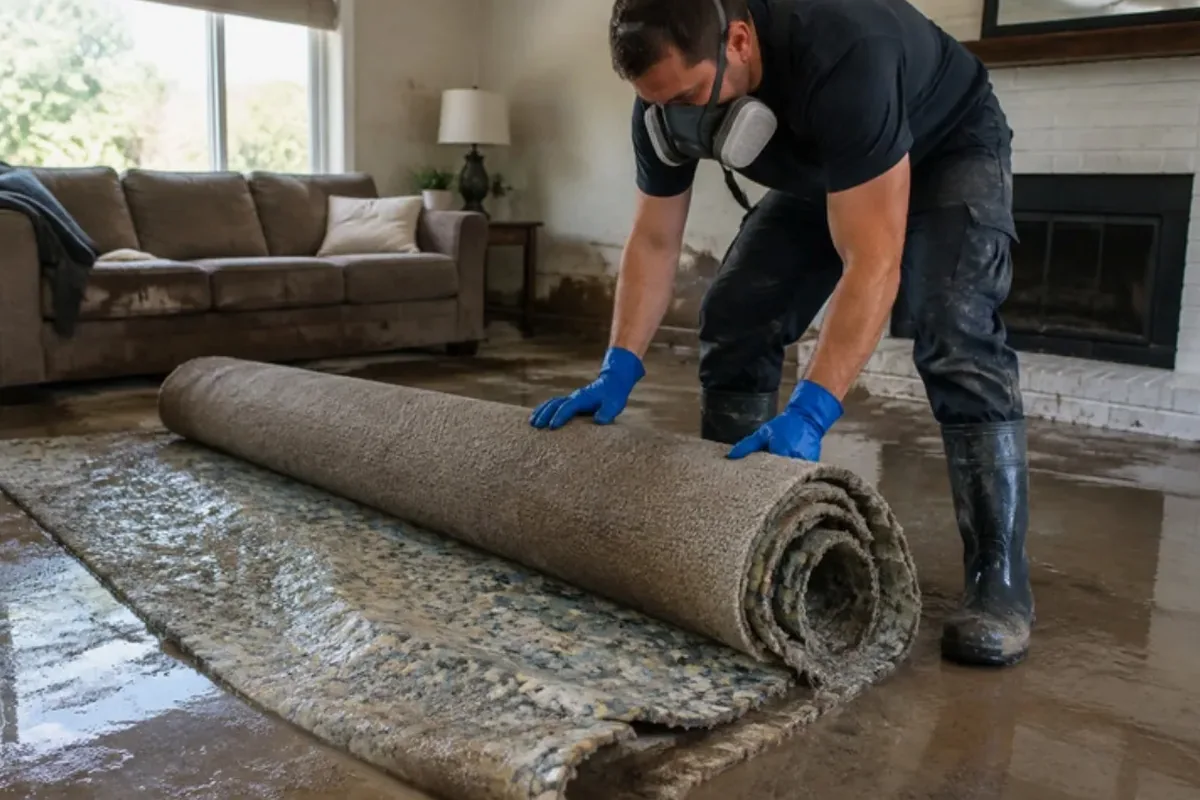
Getting comparable bids
Request written scopes naming each room, the drying plan, the removal list and what is excluded. A lump sum with no detail makes comparison impossible and leaves you exposed if the work grows. Use the same list for each bidder in Nash County. Detail protects you if the job grows beyond the first estimate.
Typical order of work
- Remove standing water and debris.
- Pull soaked carpet, pad and insulation.
- Cut out wall sections that wicked water.
- Clean surfaces and dry the structure.
- Verify moisture levels before rebuilding.
Each step should be documented with readings and photos so the scope can be checked later.
Do not rebuild over damp materials
Closing up walls, laying new flooring or painting before the structure is truly dry traps moisture and invites mold behind the finish. Wait for confirmed readings, even if the schedule slips, because redoing the work costs more. A written scope helps both sides when the job changes.
Before you hire in Middlesex
North Carolina ties larger jobs to the general contractor license: under G.S. 87-1, a project costing $40,000 or more needs a contractor holding a license from the NC Licensing Board for General Contractors.
Renting? N.C.G.S. 42-42 requires landlords to keep a home fit and habitable and to repair supplied plumbing and heating; outside an emergency, send the repair request in writing.
Permits for Middlesex addresses are handled by the local building department; ask there before load-bearing framing or duct runs are replaced.
Flood water and a burst pipe are usually treated differently by insurers; the state's FRIS flood maps show whether a lot sits in a mapped flood zone.
Help is also available nearby in Zebulon, Bailey and Wendell.
Storm & Flood Mold Removal questions in Middlesex
What should I throw away after flooding?
How do I know if the crawl space is the problem?
Is it safe to stay in the house?
Does a heavy tropical rain count as a flood?
More mold services in Middlesex
Storm & Flood Mold Removal nearby
Helpful guides
Sources
- N.C. General Statutes 87-1: general contractor license
- NC Licensing Board for General Contractors: consumer FAQ
- NC Division of Public Health: choosing a mold consultant
- N.C. General Statutes 42-42: landlord to provide fit premises
- NC Flood Risk Information System
- EPA: A Brief Guide to Mold, Moisture and Your Home
Last updated: