A flooded crawl space is easy to ignore because nobody goes down there, yet wet insulation and subfloor framing there can grow mold for weeks. Standing water is the signal to call. Call the number on this page to be connected with a local mold company in Franklinton.
Smell it, then trace it
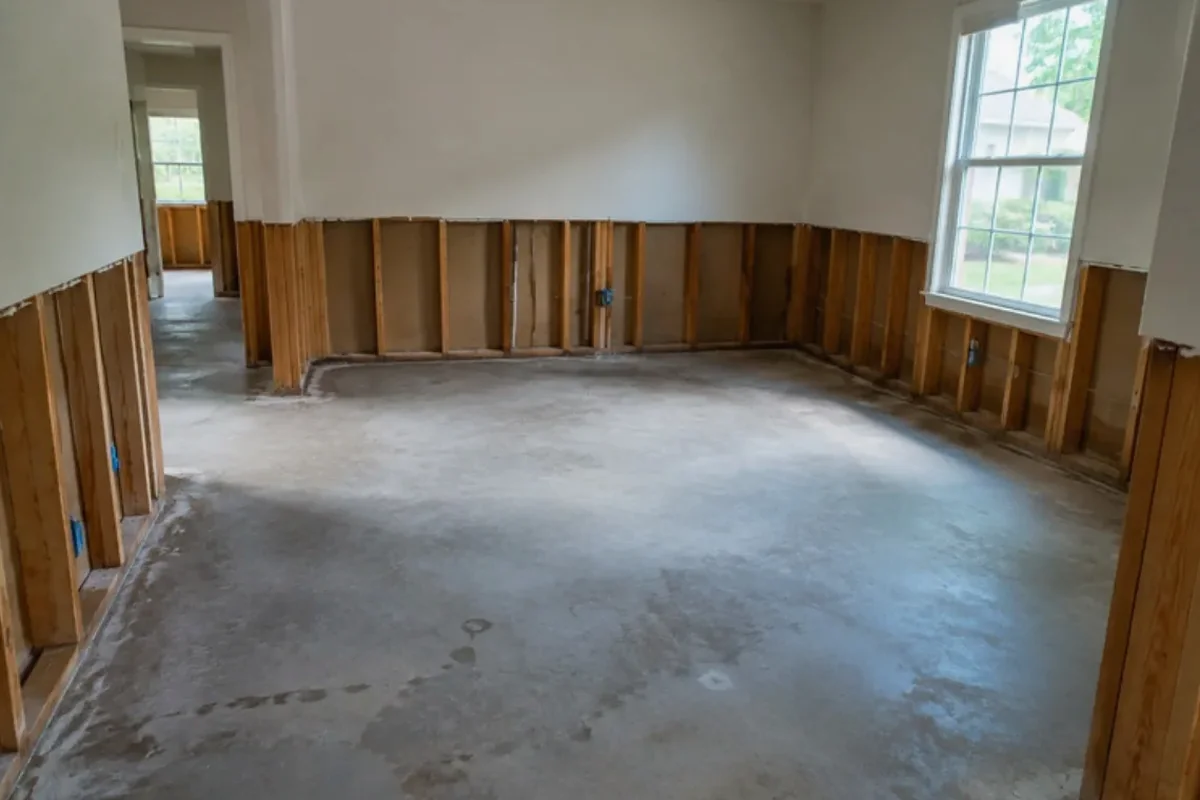
After a storm, a stale basement-like smell in a house that never had one is a flag. Check under sinks, inside closets on outside walls, and along the base of cabinets, where rainwater and groundwater creep in and stay. Closets on outside walls are a common culprit.
Tropical remnants and heavy rain
Storms that weaken as they move inland still dump huge amounts of rain on the Piedmont in a short time. Roofs, window wells, doors and low foundation vents let that water in, and the muggy air afterward keeps everything damp. The wet ground afterward also holds humidity against the house.
Homes far from city services may have wells and pump houses in low spots, and flooded equipment there needs checking along with the house before water is trusted again.
What comes out and what stays
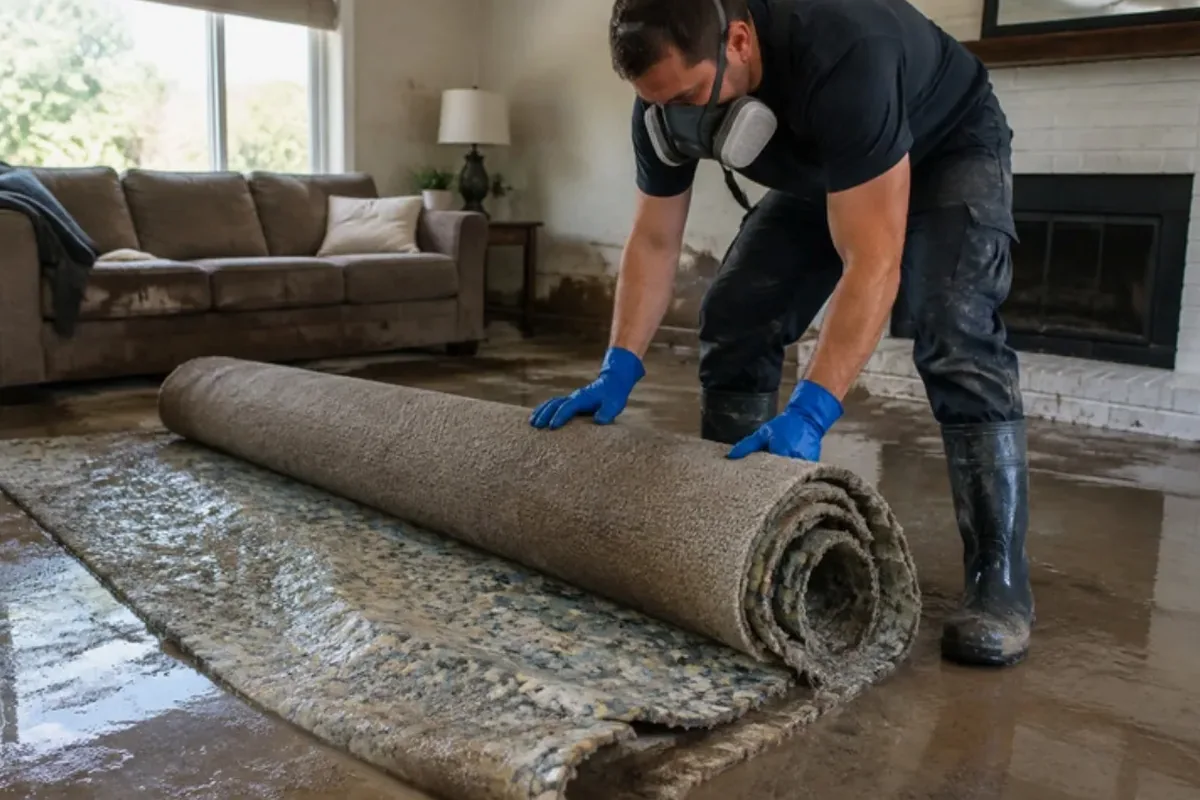
- Carpet, pad and wet insulation usually go
- Drywall wicked high often goes
- Solid framing can be cleaned and dried
- Hard surfaces can often be saved
The more that must be removed, the more rebuild work follows. Early action keeps more on the saved list.
What you decide on the day
You will likely be asked to approve the scope, say what belongings can be moved and confirm access to the crawl space and electrical panel. Keep photographs and receipts, since adjusters often ask for the details of what was discarded. Proof of dryness matters before anyone closes walls.
Rules and offices for Franklinton mold jobs
Home repair complaints in North Carolina can go to the Department of Justice consumer protection line, 1-877-5-NO-SCAM. Settle the scope in writing first so there is something to point to.
Renting? N.C.G.S. 42-42 requires landlords to keep a home fit and habitable and to repair supplied plumbing and heating; outside an emergency, send the repair request in writing.
Permits for Franklinton addresses are handled by the local building department; ask there before load-bearing framing or duct runs are replaced.
Flood water and a burst pipe are usually treated differently by insurers; the state's FRIS flood maps show whether a lot sits in a mapped flood zone.
Help is also available nearby in Louisburg, Youngsville and Kittrell.
Know your flood risk
Being near a creek, river or low-lying drain affects how your house handles storm rain. Review the flood map for your address, think about flood insurance and keep a plan for where to put belongings if water starts to rise. Ask who handles each trade, and who coordinates them.
Storm & Flood Mold Removal questions in Franklinton
What should I throw away after flooding?
Can a landlord ignore storm damage?
Where do I find out if my house is in a flood zone?
Who handles permits for flood repairs?
More mold services in Franklinton
Storm & Flood Mold Removal nearby
Helpful guides
Sources
- N.C. General Statutes 87-1: general contractor license
- NC Licensing Board for General Contractors: consumer FAQ
- NC Division of Public Health: choosing a mold consultant
- N.C. General Statutes 42-42: landlord to provide fit premises
- NC Flood Risk Information System
- EPA: A Brief Guide to Mold, Moisture and Your Home
Last updated: