Clay soil in this part of the Piedmont drains slowly, so water around a foundation lingers well after the rain stops. That lingering moisture can keep a crawl space or lower floor damp. Call the number on this page to be connected with a local mold company in Louisburg.
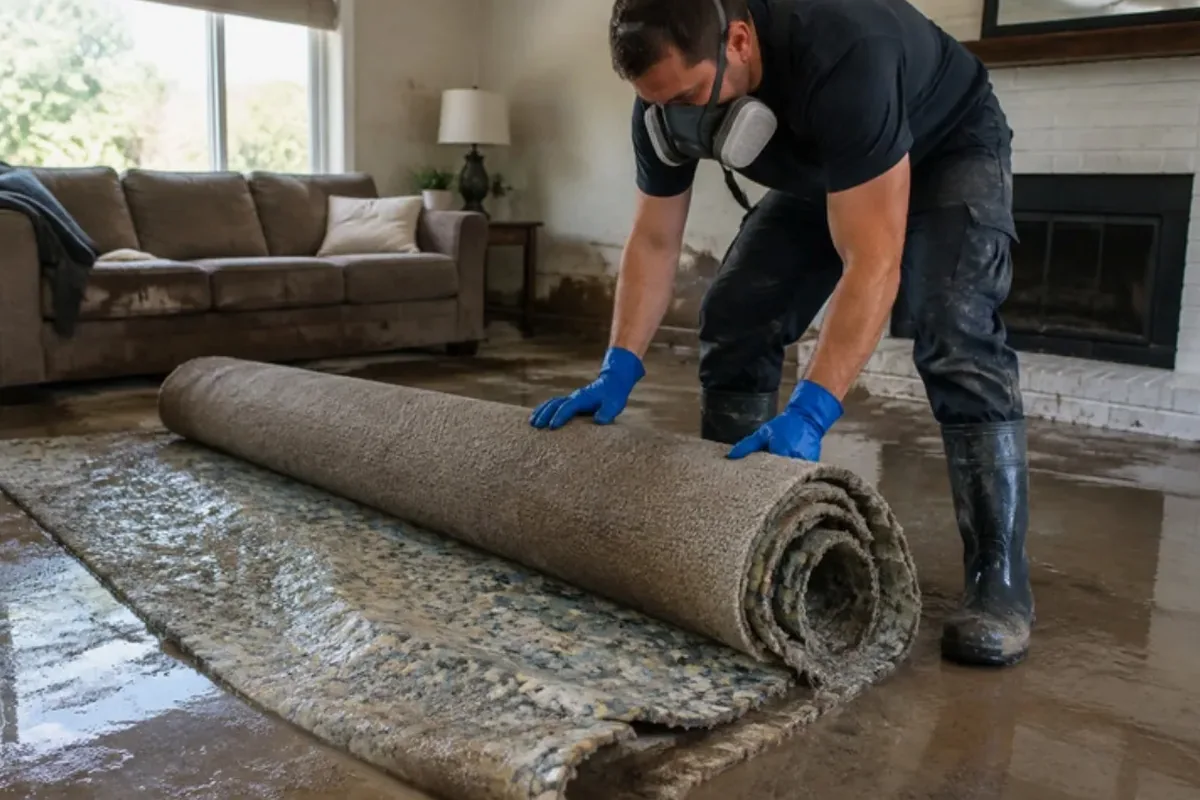
Do not trust a dry surface
A floor that looks dry can sit on a soaked subfloor, and a wall can feel firm while its insulation stays wet inside. Moisture meters, not eyes, tell the real story, and a local company will use one before deciding what is salvageable. Trust the meter.
Crawl spaces fill and stay wet
Most Triangle houses sit over a vented crawl space. Rain-swollen ground sends water through the vents and under the sill, soaking insulation, ducts and the underside of the floor. Water there drains slowly because clay soil does not. Water there drains slowly because the soil does too.
Who to check with in Louisburg
Be wary of anyone who wants air sampling as the very first step. North Carolina's public health guidance warns about exactly that, and suggests asking plenty of questions before you pay.
Tenants should put leak and mold complaints in writing. North Carolina's landlord statute, G.S. 42-42, covers repairs needed to keep a rental fit to live in.
Under G.S. 160D-1110, many repairs of $40,000 or less in a house need no permit, but structural, plumbing, electrical and HVAC changes do. Check with the local building department.
Flood water and a burst pipe are usually treated differently by insurers; the state's FRIS flood maps show whether a lot sits in a mapped flood zone.
Callers here are often matched with companies that work in Franklinton, Bunn and Youngsville as well.
Drying equipment and time
Dehumidifiers, air movers and monitoring add up over several days. Companies usually price drying by the rooms involved and how long equipment runs, so keep a log of readings and ask for them. Faster action tends to shorten that run time. Moisture mapping shows which rooms count.
Questions to ask before work starts
Ask how readings will be documented, which materials will be removed, how long equipment will run, whether contaminated water was involved and who handles the rebuild. Clear, written answers matter more than a quick promise on the phone. Ask for written scopes and room-by-room plans.
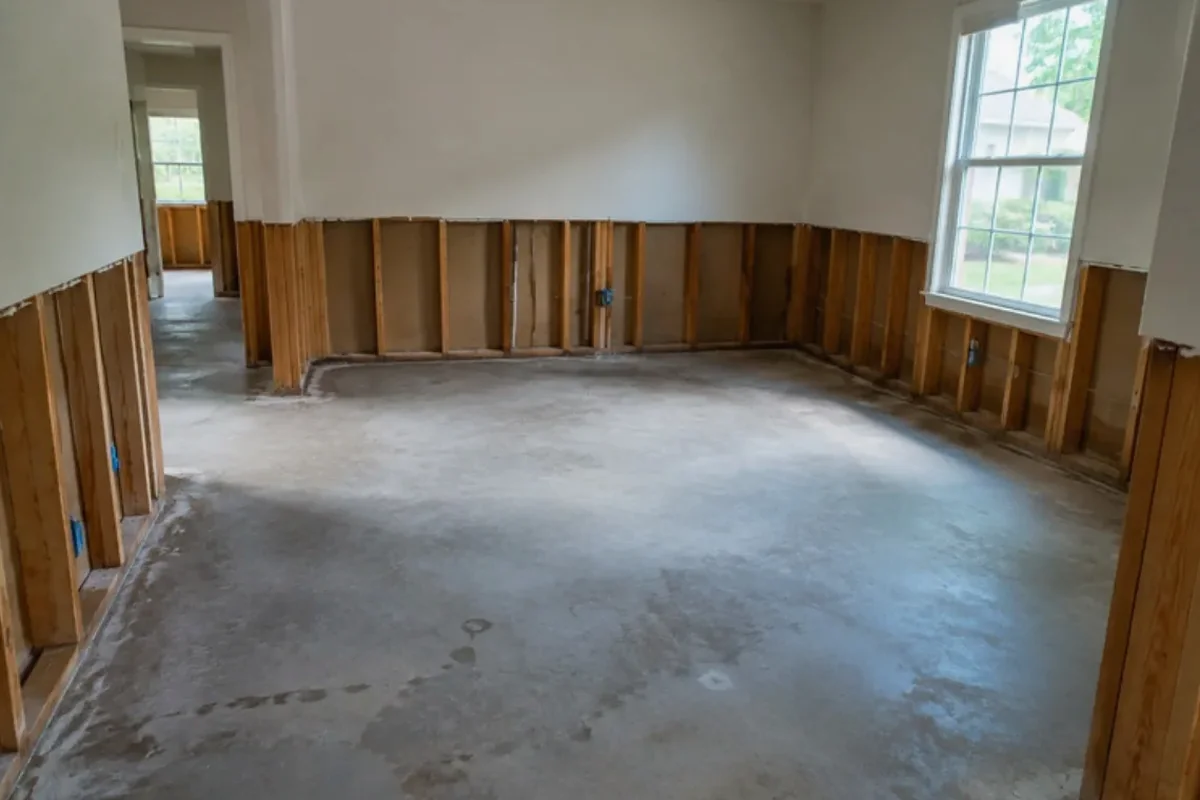
Do not rebuild over damp materials
Closing up walls, laying new flooring or painting before the structure is truly dry traps moisture and invites mold behind the finish. Wait for confirmed readings, even if the schedule slips, because redoing the work costs more. A written scope helps both sides when the job changes.
Storm & Flood Mold Removal questions in Louisburg
How soon does mold grow after a flood?
My crawl space flooded but the house looks fine. Do I need to call?
How do I know if the crawl space is the problem?
Do I need a license-holder for a big flood repair?
More mold services in Louisburg
Storm & Flood Mold Removal nearby
Helpful guides
Sources
- N.C. General Statutes 87-1: general contractor license
- NC Licensing Board for General Contractors: consumer FAQ
- NC Division of Public Health: choosing a mold consultant
- N.C. General Statutes 42-42: landlord to provide fit premises
- NC Flood Risk Information System
- EPA: A Brief Guide to Mold, Moisture and Your Home
Last updated: