Clearance testing is a check made after mold cleanup to confirm the work area is dry, clean and free of visible growth. An independent assessor takes readings, sometimes samples, and writes up the result. Call the number on this page to be connected with a local mold company in Clayton.
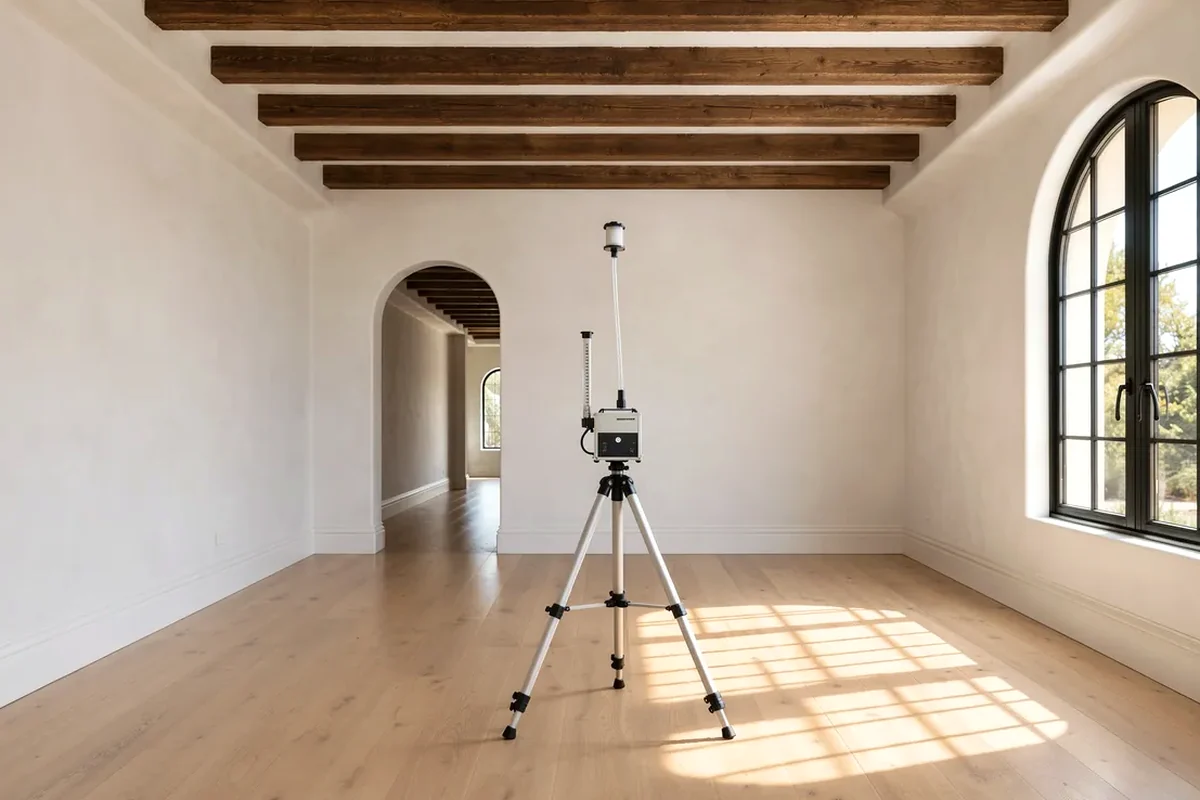
Common reasons owners request it
- A lender or buyer asked for documentation.
- A lease or an insurer expects proof.
- The musty smell has not fully gone.
- You want certainty before moving back in.
Any one of these is reason enough to ask a local company for a clearance visit before the repairs are finished.
How clearance day runs
- Review the cleanup plan.
- Walk the containment area.
- Look for dust, debris and stains.
- Take moisture readings.
- Collect samples if required.
A written report follows once any lab results are in, usually with photos of each area checked and a plain statement of the outcome.
A lot of Clayton's homes went up in the 2000s, tightly sealed, so any moisture that remains after a cleanup can linger; clearance readings help confirm the space is truly dry.
Homes near a river, creek or lake sit on damp ground, so clearance often includes a close check of crawl space moisture and drainage that could bring growth back.
Lab fees and turnaround
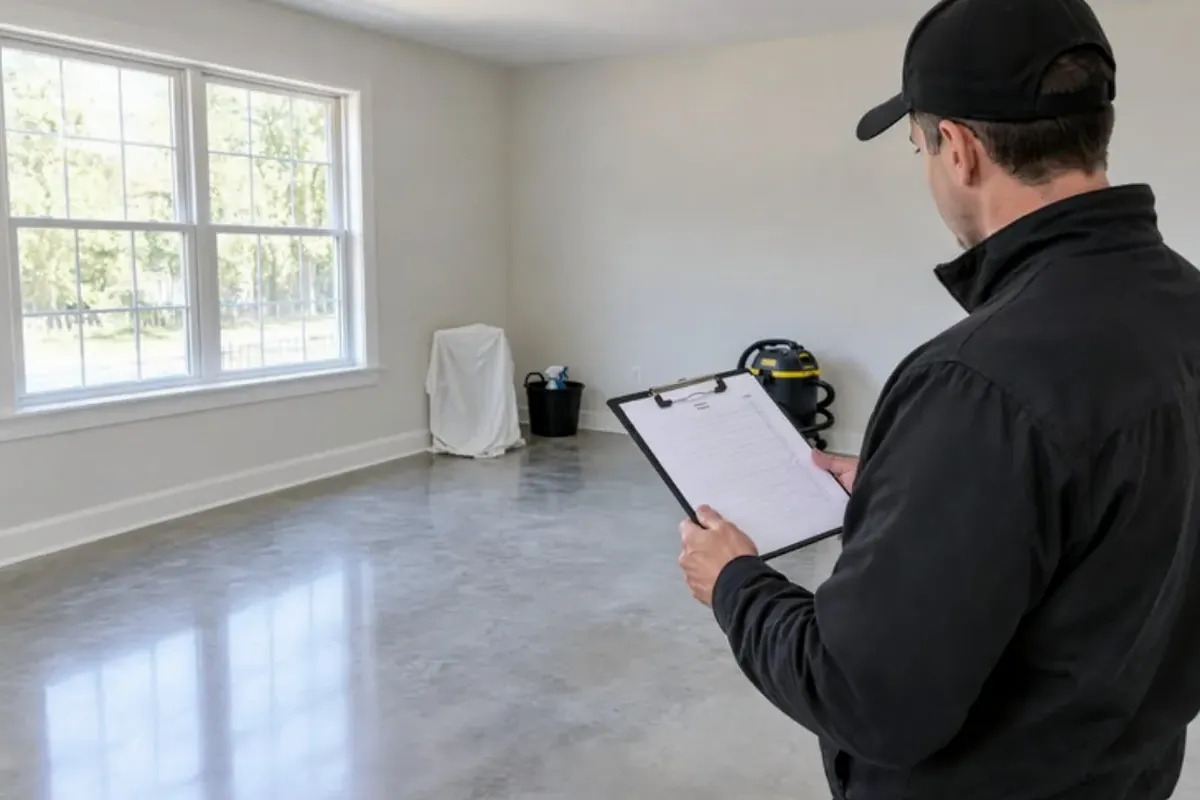
Each air or surface sample goes to a laboratory that charges per sample, and faster turnaround usually costs extra. Ask the assessor how many samples the plan expects and whether a standard schedule fits your closing, listing or move-in date, since rushing the lab is usually where the cost climbs.
Before you hire in Clayton
North Carolina ties larger jobs to the general contractor license: under G.S. 87-1, a project costing $40,000 or more needs a contractor holding a license from the NC Licensing Board for General Contractors.
In a rental, written notice to the landlord starts the clock under state law, which requires repairs that keep the unit in a fit and habitable condition.
Cleanup on its own rarely needs a permit. Replacing framing, wiring, ductwork or plumbing afterward can, and the Town of Clayton Development Services office can tell you what applies.
If creek or river water came inside, look the address up in North Carolina's Flood Risk Information System and call your insurer before cleanup begins.
Help is also available nearby in Smithfield, Wendell and Selma.
Check the paperwork
Ask how the report will be delivered, how long results take and whether the assessor will explain the findings by phone. Check any contractor's credentials with NCLBGC when the project is large. A report is only as useful as the scope that produced it, so confirm the scope in writing.
Grading and gutters
Red clay soil drains slowly, so downspouts and slopes that dump water against the foundation can undo a good cleanup. Direct runoff well away from the house and keep gutters clear of leaves, since this is the least costly long-term protection a homeowner has.
Around Clayton
Calls come in from across Clayton, including US 70, Clayton River Walk on the Neuse, The Clayton Center.
Clayton is in the Neuse River watershed and its town limits extend northeast to the river.
Post-Remediation Clearance Testing questions in Clayton
Is clearance testing required in North Carolina?
When should clearance happen?
What does clearance testing cost in Clayton?
Can I just have the remediator say it is clean?
More mold services in Clayton
Post-Remediation Clearance Testing nearby
Helpful guides
Sources
- Town of Clayton Development Services / Inspections
- Johnston County Building Inspections Department: flood information
- N.C. General Statutes 87-1: general contractor license
- NC Licensing Board for General Contractors: consumer FAQ
- NC Division of Public Health: choosing a mold consultant
- N.C. General Statutes 42-42: landlord to provide fit premises
- NC Flood Risk Information System
Last updated: