People order inspections for a musty smell, after a leak, before buying a house or when a tenant and landlord disagree about what is going on. The goal is facts rather than guesses. Call the number on this page to be connected with a local mold company in Clayton.
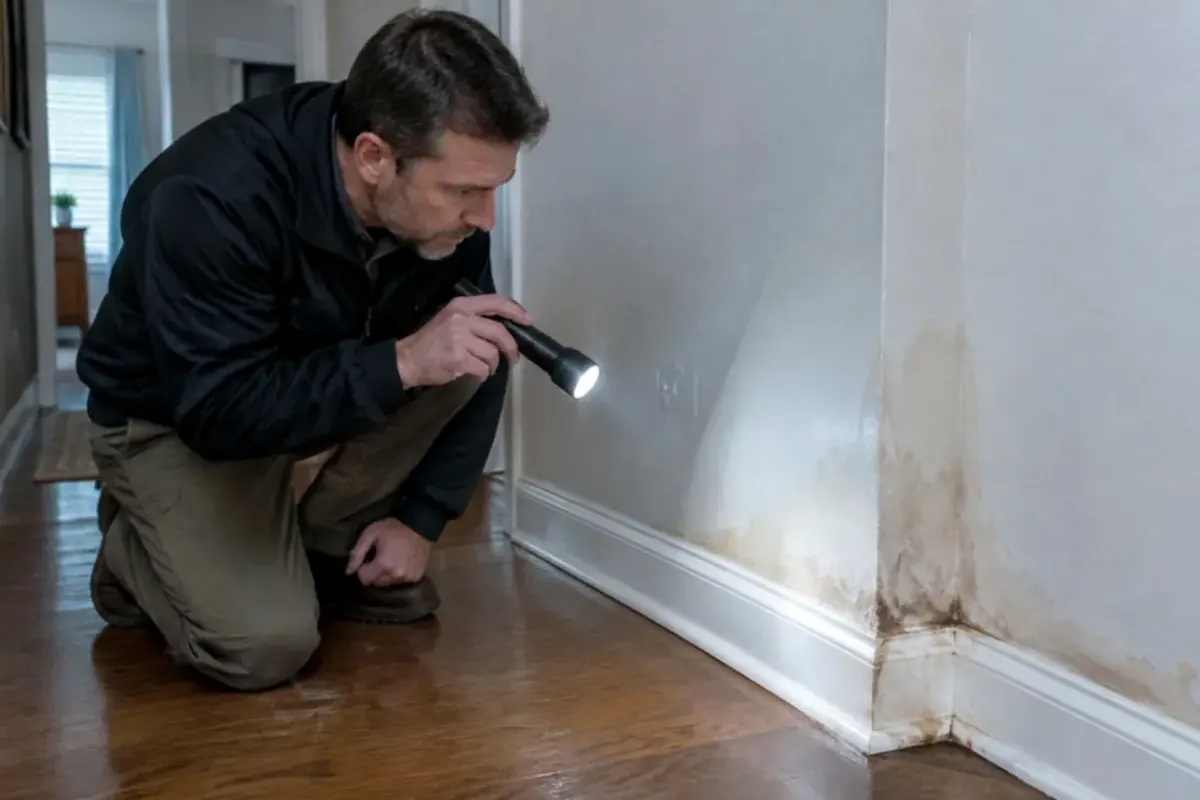
Reasons people call an inspector
- A musty smell that will not clear
- Stains spreading on a ceiling or wall
- Peeling paint or bubbling drywall
- A recent leak, flood or burst pipe
- A purchase or sale in progress
If two or more of these apply, the visit is usually worth booking sooner rather than later.
Rooms people forget
Hall closets, laundry rooms and spare bedrooms on outside walls are often skipped by owners but checked by inspectors. Air barely moves in them, so humidity and small leaks go unnoticed until a smell or stain gives them away.
Those spaces deserve the same attention as the main rooms.
Because so many Clayton houses date to the 2000s, a builder's warranty may still be active. Mention that to the inspector and keep any report to share with the builder.
Low ground near the water holds rain after big storms, and the inspection should consider whether the house takes on moisture from below, not only from leaks above.
Insurance and documentation
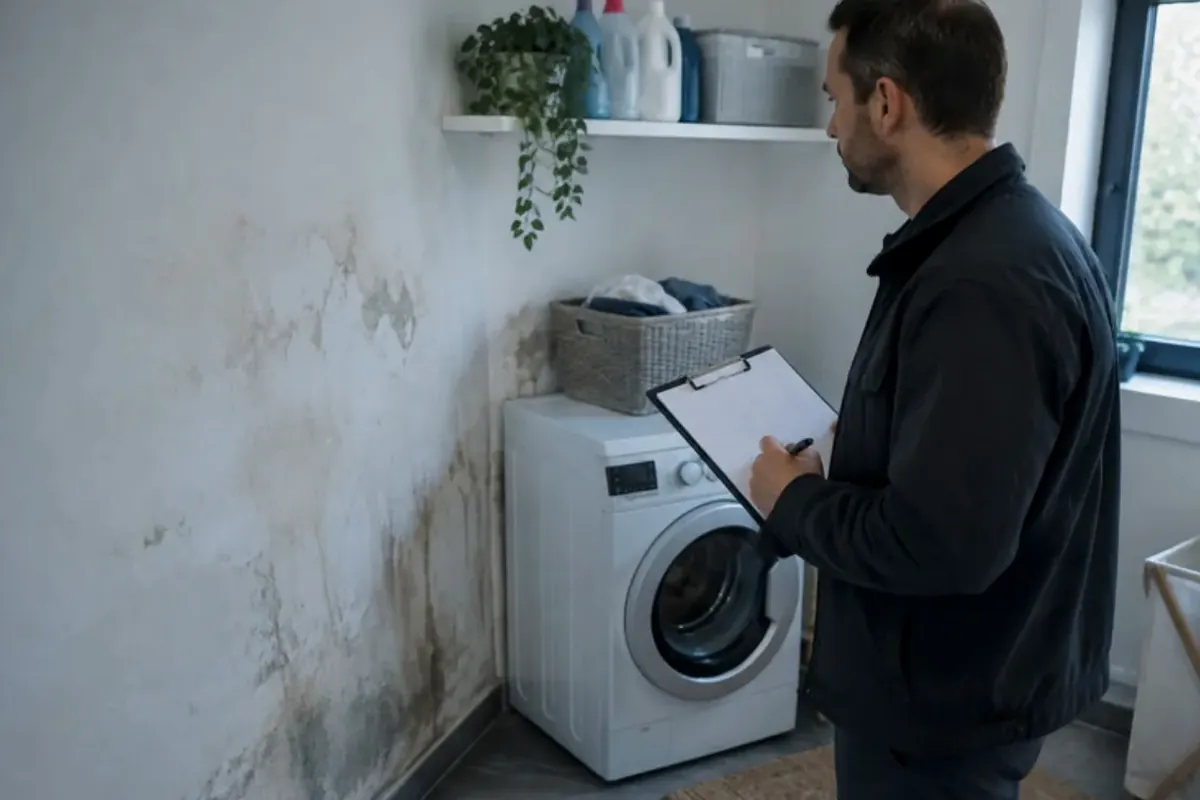
If a covered water event caused the damage, an inspector's report with photos and readings can support a claim. Policies differ, and long-term seepage is often excluded, so talk to your carrier early and keep every receipt.
Call your carrier before you hire anyone, because some policies set their own steps.
Who to check with in Clayton
The NC Division of Public Health suggests not hiring a mold consultant who also sells the remediation, so the person who finds the problem isn't the one paid to fix it.
Tenants should put leak and mold complaints in writing. North Carolina's landlord statute, G.S. 42-42, covers repairs needed to keep a rental fit to live in.
Cleanup on its own rarely needs a permit. Replacing framing, wiring, ductwork or plumbing afterward can, and the Town of Clayton Development Services office can tell you what applies.
If creek or river water came inside, look the address up in North Carolina's Flood Risk Information System and call your insurer before cleanup begins.
Callers here are often matched with companies that work in Smithfield, Wendell and Selma as well.
What the report should say
Expect room-by-room notes, photos, moisture readings with locations and a likely cause for each problem. A solid report also lists recommended next steps, such as repairing a leak or removing wet drywall, in plain language you can hand to a contractor.
The report is your record afterward.
Clearance when the work is finished
After removal, a separate party can confirm the area is clean and dry before walls are closed. Post-remediation testing is a different service from an inspection, and it is worth planning for at the time the cleanup is quoted.
That keeps both roles clear.
Clayton at a glance
Calls come in from across Clayton, including US 70, Clayton River Walk on the Neuse, The Clayton Center.
Clayton is in the Neuse River watershed and its town limits extend northeast to the river.
Mold Inspection questions in Clayton
Should the inspector also do the cleanup?
Do I need an inspection if I can see the mold?
Should I get one before buying a house?
Is this number an inspection company?
More mold services in Clayton
Mold Inspection nearby
Helpful guides
Sources
- Town of Clayton Development Services / Inspections
- Johnston County Building Inspections Department: flood information
- N.C. General Statutes 87-1: general contractor license
- NC Licensing Board for General Contractors: consumer FAQ
- NC Division of Public Health: choosing a mold consultant
- N.C. General Statutes 42-42: landlord to provide fit premises
- NC Flood Risk Information System
Last updated: