Floodwater carries mud and contaminants, so cleanup is more than drying. A local mold company can remove damaged materials, clean and dry the structure and tell you what is worth saving. Call the number on this page to be connected with a local mold company in Butner.
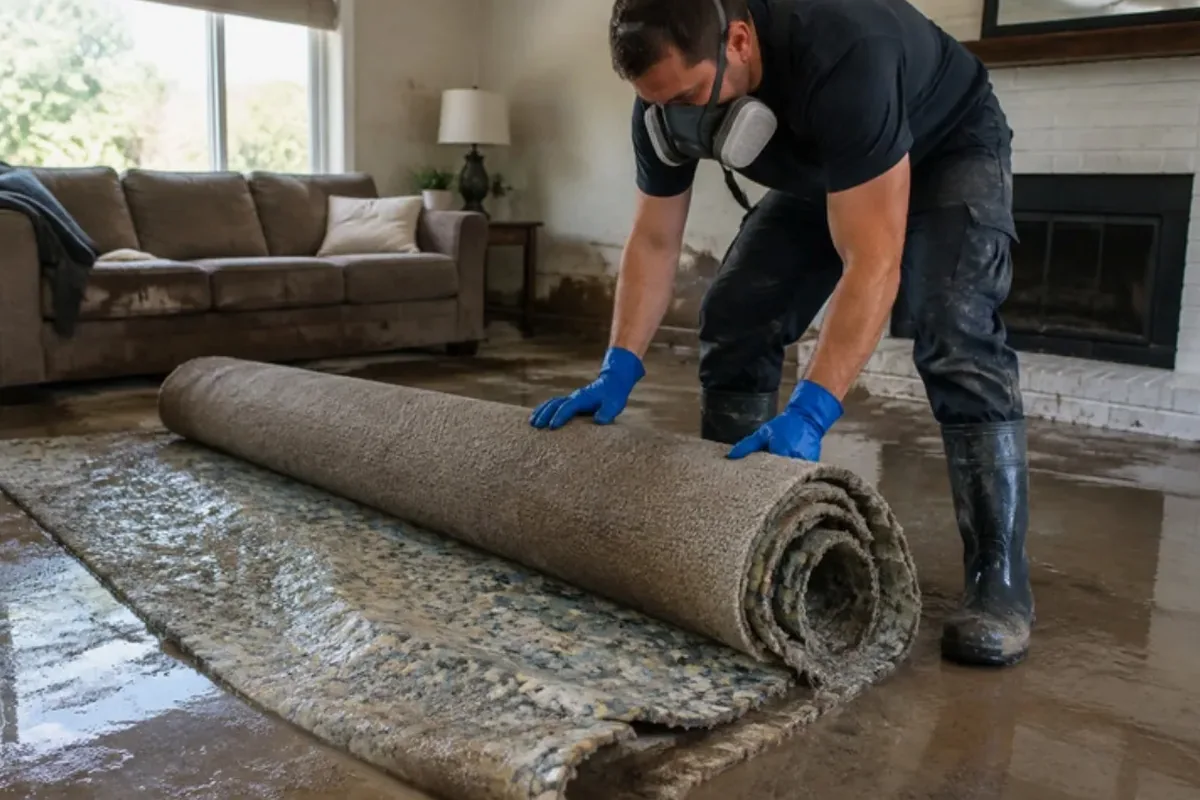
Do not trust a dry surface
A floor that looks dry can sit on a soaked subfloor, and a wall can feel firm while its insulation stays wet inside. Moisture meters, not eyes, tell the real story, and a local company will use one before deciding what is salvageable. Trust the meter.
Red clay holds on to water
Piedmont clay drains slowly, so water pools against foundations after a storm and stays there. Poor grading and downspouts that empty near the house send even more toward the crawl space, extending the time wood framing stays wet. Fixing grade often helps, since the water has to go somewhere.
Homes near a river, creek or lake can see water rise on the lot even when the rain has stopped, and floodwater from them tends to carry silt and debris into crawl spaces and lower rooms.
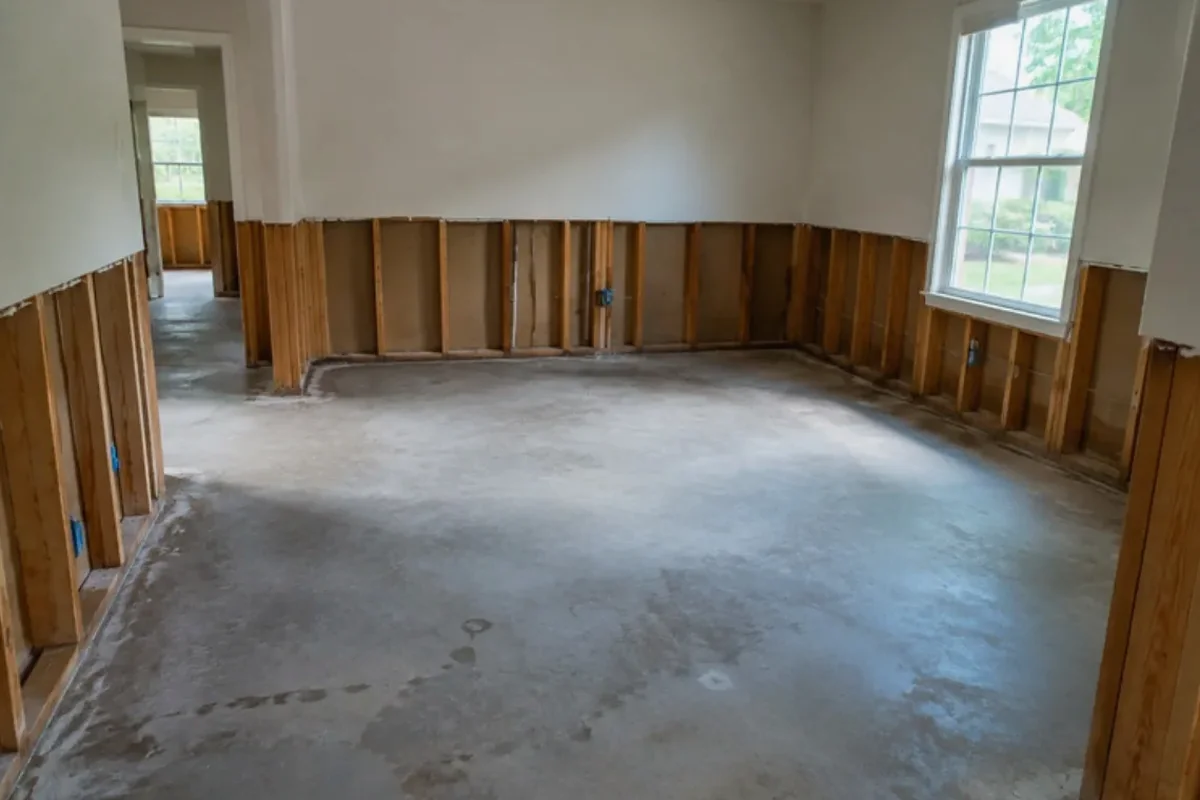
Large jobs and the license rule
If cleanup turns into a full rebuild reaching the $40,000 mark, North Carolina requires a general contractor license. Look up anyone quoting that scope with NCLBGC. Smaller jobs may sit below it, but ask what the company holds before you sign. Ask early, before any bid is signed.
Who to check with in Butner
North Carolina ties larger jobs to the general contractor license: under G.S. 87-1, a project costing $40,000 or more needs a contractor holding a license from the NC Licensing Board for General Contractors.
Tenants should put leak and mold complaints in writing. North Carolina's landlord statute, G.S. 42-42, covers repairs needed to keep a rental fit to live in.
Cleanup on its own rarely needs a permit. Replacing framing, wiring, ductwork or plumbing afterward can, and Granville County Building Code Enforcement can tell you what applies.
If creek or river water came inside, look the address up in North Carolina's Flood Risk Information System and call your insurer before cleanup begins.
Many of the same companies also take calls from Durham, Stem and Creedmoor.
What you decide on the day
You will likely be asked to approve the scope, say what belongings can be moved and confirm access to the crawl space and electrical panel. Keep photographs and receipts, since adjusters often ask for the details of what was discarded. Proof of dryness matters before anyone closes walls.
Keep humidity in range
EPA suggests indoor humidity below about 60 percent, ideally 30 to 50. After a flood, running dehumidifiers for several days and checking readings helps the house finish drying, which matters when summer air outside is already muggy. Do not skip the rebuild questions, since that trade is often separate.
Storm & Flood Mold Removal questions in Butner
My crawl space flooded but the house looks fine. Do I need to call?
What should I throw away after flooding?
Do I need a license-holder for a big flood repair?
Where do I find out if my house is in a flood zone?
More mold services in Butner
Storm & Flood Mold Removal nearby
Helpful guides
Sources
- Granville County Building Code Enforcement
- N.C. General Statutes 87-1: general contractor license
- NC Licensing Board for General Contractors: consumer FAQ
- NC Division of Public Health: choosing a mold consultant
- N.C. General Statutes 42-42: landlord to provide fit premises
- NC Flood Risk Information System
- EPA: A Brief Guide to Mold, Moisture and Your Home
Last updated: