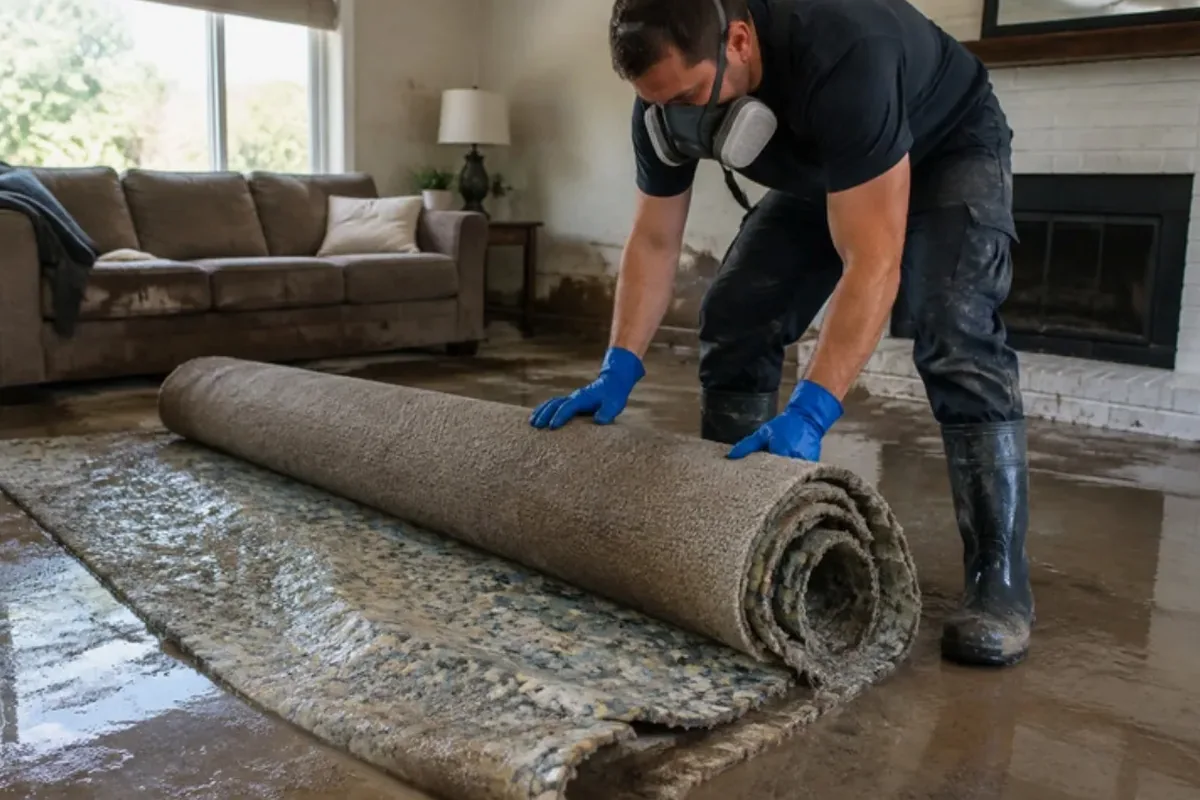
After a flood, mold can start growing on wet materials within a day or two. EPA advises drying everything within 24 to 48 hours, and porous items that stay soaked, like carpet, pad and insulation, usually have to be discarded. Call the number on this page to be connected with a local mold company in Stem.
When the job is bigger than a mop
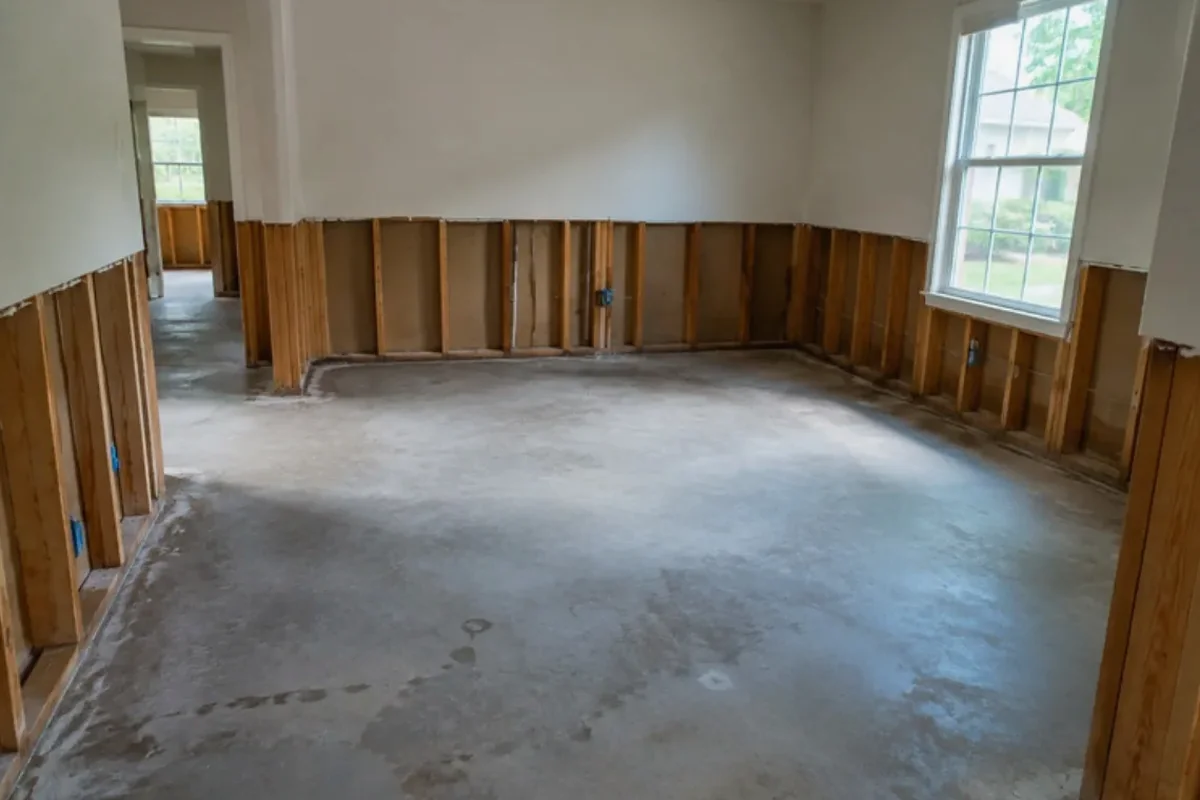
If water stood more than a day, rose above the baseboards, or reached the crawl space insulation, the damage typically exceeds what a homeowner can handle. EPA's rule of thumb for cleaning it yourself is a patch under roughly 10 square feet.
Tropical remnants and heavy rain
Storms that weaken as they move inland still dump huge amounts of rain on the Piedmont in a short time. Roofs, window wells, doors and low foundation vents let that water in, and the muggy air afterward keeps everything damp. The wet ground afterward also holds humidity against the house.
Near the rivers and lakes, high groundwater adds to storm rain, so a crawl space can fill from below as well as through vents, and standing water may linger for days.
On farm and country properties, long dirt driveways and field runoff can send water toward the foundation, and farmhouses with older crawl spaces often stay wet well beyond the storm.
Rules and offices for Stem mold jobs
The NC Division of Public Health suggests not hiring a mold consultant who also sells the remediation, so the person who finds the problem isn't the one paid to fix it.
Renting? N.C.G.S. 42-42 requires landlords to keep a home fit and habitable and to repair supplied plumbing and heating; outside an emergency, send the repair request in writing.
Cleanup on its own rarely needs a permit. Replacing framing, wiring, ductwork or plumbing afterward can, and Granville County Building Code Enforcement can tell you what applies.
If creek or river water came inside, look the address up in North Carolina's Flood Risk Information System and call your insurer before cleanup begins.
Callers here are often matched with companies that work in Durham, Butner and Creedmoor as well.
Clean water versus floodwater
Rain through a roof leak is treated differently from creek water carrying mud and debris. Contaminated flooding generally means more material removal and more cleaning steps, which raises labor and disposal costs compared with a simple water intrusion. That makes bids far easier to compare side by side.
Sampling is rarely the first step
When growth is visible, EPA says sampling usually is not needed. North Carolina public health guidance also advises caution about air sampling first and about hiring a consultant who also does the cleanup. Drying and removal come before measuring. Photos protect you if questions come up later.
If you rent
Tenants who see storm damage should give the landlord written notice quickly. North Carolina G.S. 42-42 expects landlords to keep a rental fit and habitable. Photos of wet floors and walls support your request while repairs are arranged. Keep every photo, invoice and report in a single folder.
Storm & Flood Mold Removal questions in Stem
Is floodwater treated differently from a pipe leak?
What should I throw away after flooding?
Should I test the air after a flood?
How long does drying take?
More mold services in Stem
Storm & Flood Mold Removal nearby
Helpful guides
Sources
- Granville County Building Code Enforcement
- N.C. General Statutes 87-1: general contractor license
- NC Licensing Board for General Contractors: consumer FAQ
- NC Division of Public Health: choosing a mold consultant
- N.C. General Statutes 42-42: landlord to provide fit premises
- NC Flood Risk Information System
- EPA: A Brief Guide to Mold, Moisture and Your Home
Last updated: