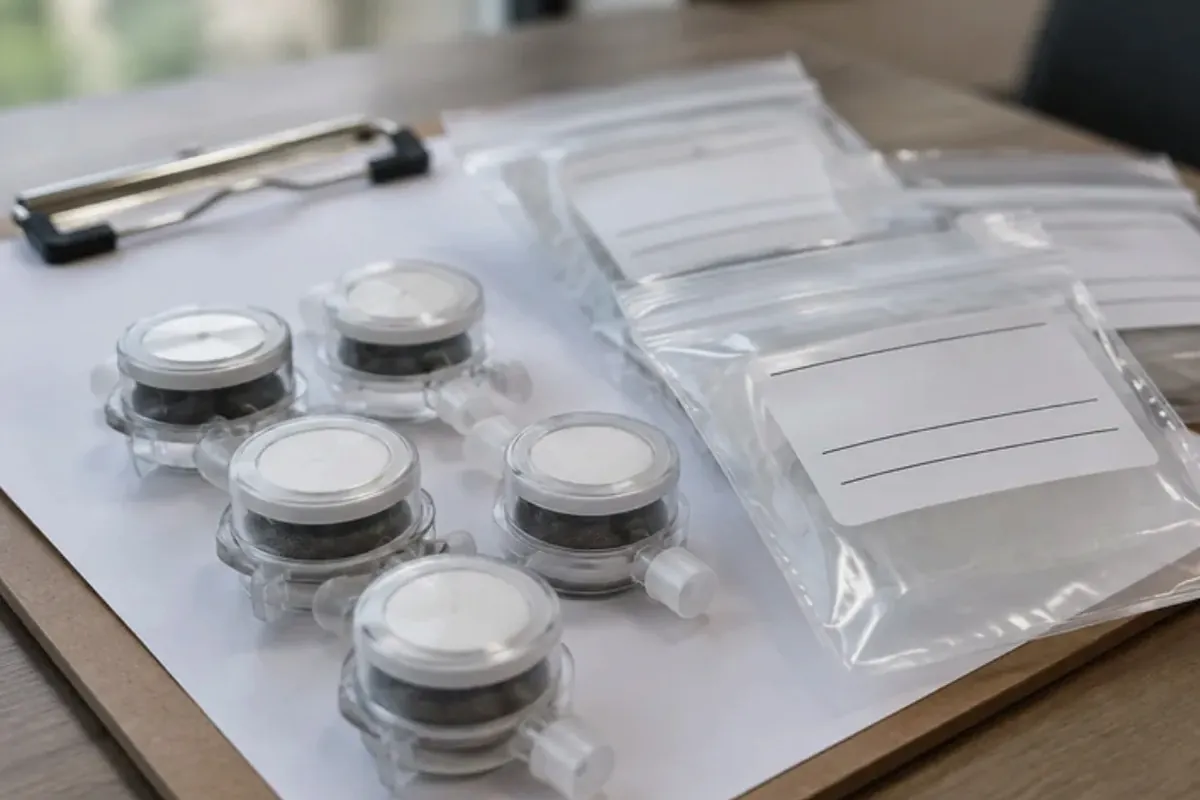
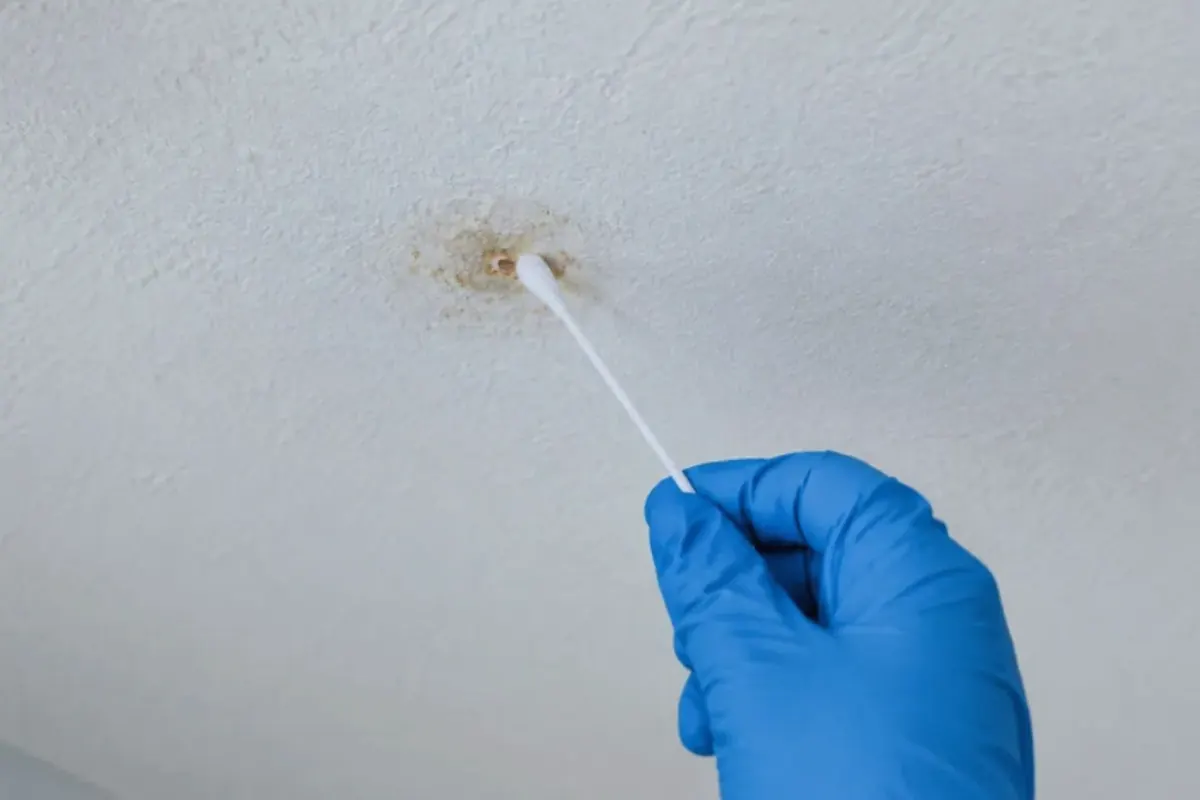
Air samples catch what is drifting through a room, while tape lifts and swabs identify what is growing on a specific surface. Many assessors use both together. Call the number on this page to be connected with a local mold company in Bahama.
What triggers most test calls
Typical reasons include an odor that comes back every muggy week, ceiling paint that bubbled near a vent, a closet that never feels dry, or a closing date approaching. People in Bahama also call after a leak was patched and the smell stayed behind.
Sample types at a glance
- Air: room air drawn across a collector.
- Tape lift: a sticky strip pressed on a surface.
- Swab: a wipe from a stain or fixture.
- Bulk: a small piece of drywall or insulation.
Each answers a different question, and a good assessor matches the mix to the problem.
Low ground along creeks and shorelines in this area keeps soil wet for long stretches, so assessors often check crawl spaces and slab edges here before choosing sample points.
Farm-style homes and barns in this part of Durham County often sit far from city services, and an assessor may need extra time to cover outbuildings, crawl spaces and older additions.
Bigger houses, bigger scope
Square footage matters because more rooms and more air handlers mean more places to check. A sprawling two-story house with separate heat pump systems takes longer to evaluate than a small slab ranch, and the fee tends to follow the time on site.
Reading your report
Most reports follow the same order.
- Where samples were taken and the conditions that day.
- Lab findings, listed by type.
- Comparison with outdoors or an unaffected room.
- Recommended next steps, if any.
Ask the assessor to go through each part aloud, since a table of spore counts means little without that context.
Bahama permits, rentals and contractor checks
There are no federal rules for indoor air quality consultants, so references, written scopes and a separate assessor matter. Contractor license rules start at $40,000 in North Carolina.
Tenants should put leak and mold complaints in writing. North Carolina's landlord statute, G.S. 42-42, covers repairs needed to keep a rental fit to live in.
Once the moldy material is gone, the rebuild is its own step, and some of it, like new ductwork or structural framing, may need sign-off from the Durham City-County Inspections Department.
If creek or river water came inside, look the address up in North Carolina's Flood Risk Information System and call your insurer before cleanup begins.
Callers here are often matched with companies that work in Durham, Butner and Stem as well.
Keep the sample meaningful
- Repair active leaks before sampling.
- Do not bleach or fog the area beforehand.
- Note when the AC runs and when it does not.
- Keep dated photos of stains.
These habits make any later lab result easier to read and easier to defend if someone questions it.
Mold Testing questions in Bahama
What is a mold test?
When is testing useful for a home sale?
How many samples will the assessor take?
Why does a house near the water need extra attention?
More mold services in Bahama
Mold Testing nearby
Helpful guides
Sources
- Durham City-County Inspections Department
- N.C. General Statutes 87-1: general contractor license
- NC Licensing Board for General Contractors: consumer FAQ
- NC Division of Public Health: choosing a mold consultant
- N.C. General Statutes 42-42: landlord to provide fit premises
- NC Flood Risk Information System
- EPA: A Brief Guide to Mold, Moisture and Your Home
Last updated: