Who pays depends on the lease and the cause. Many leases assign repairs to the landlord and interior finishes to the tenant, and insurers treat sudden leaks differently from slow ones. Read the lease, send notice in writing and call your agent early. Call the number on this page to be connected with a local mold company in Bahama.
When a tenant reports it first
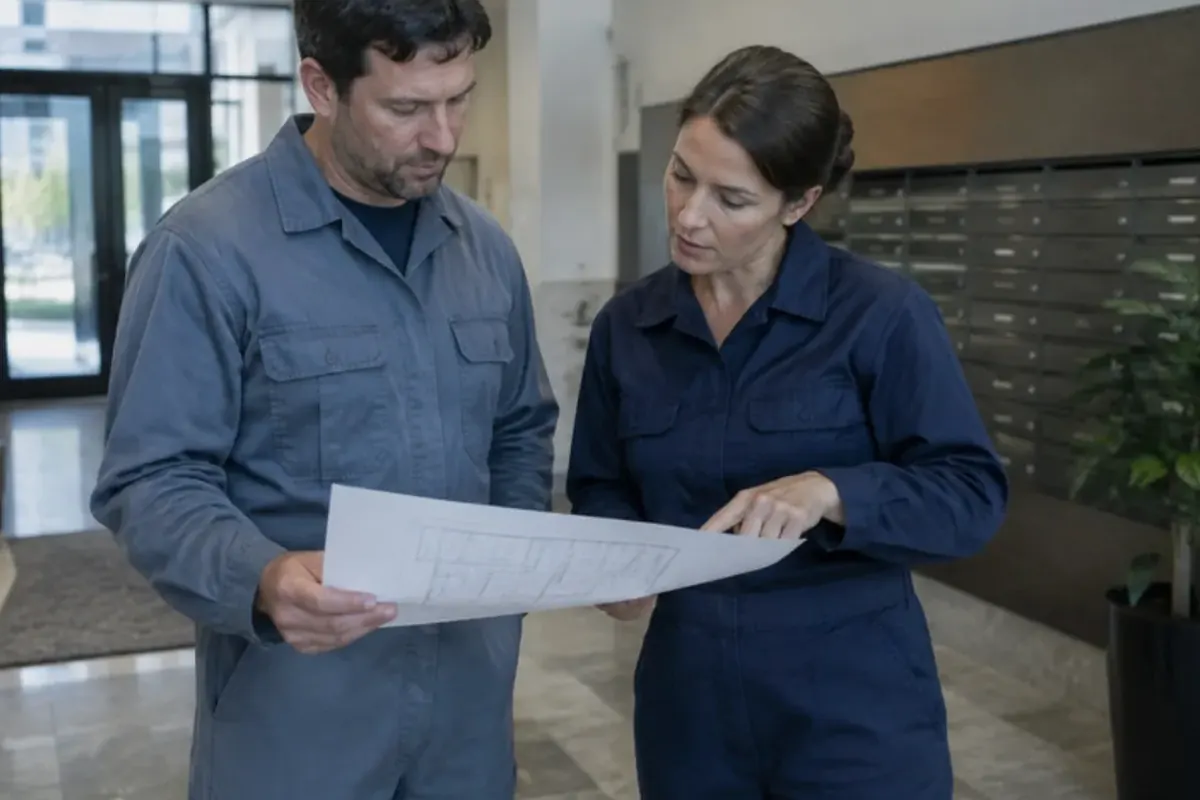
Often the first sign is an employee or tenant message about a smell. Take it seriously, visit the area, and write down what you see. A prompt response protects the people in the space and shows the landlord, owner or lender that you acted.
Restaurants and kitchens
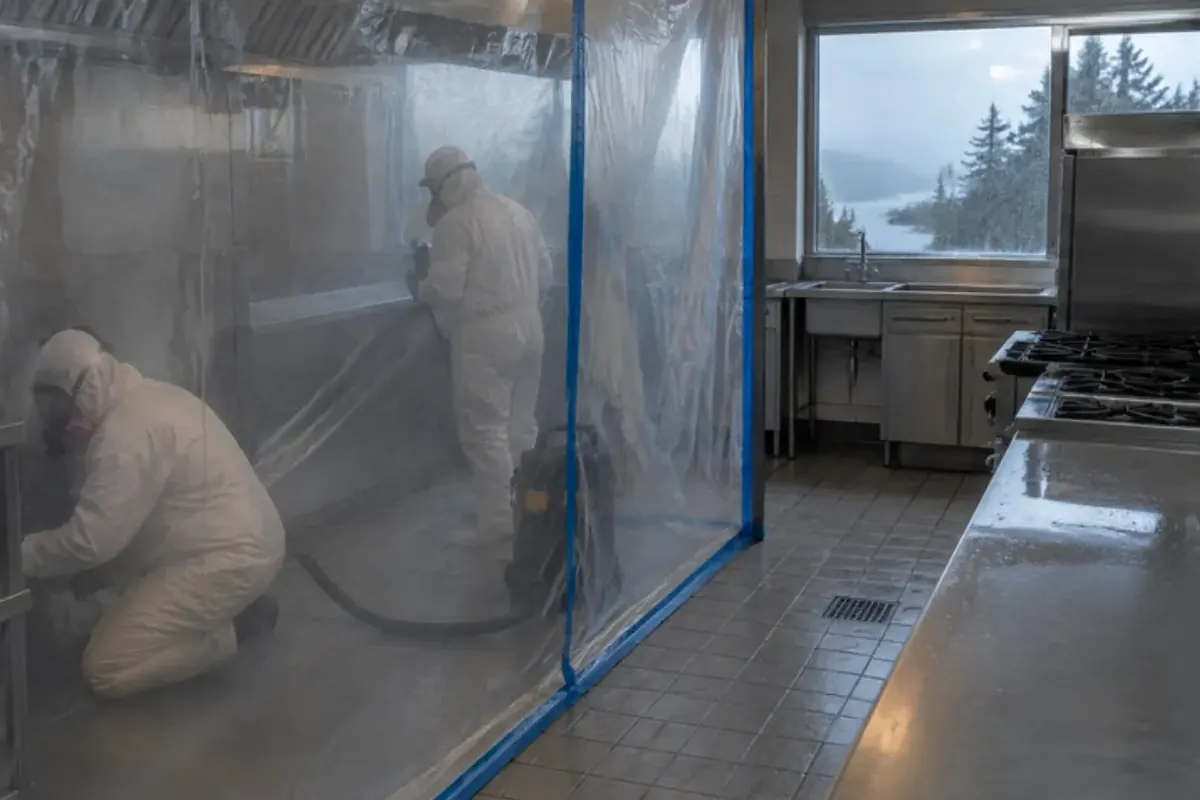
Dishwashing, steam and cold storage load a kitchen with moisture, and walk-in coolers sweat on the outside. Floor drains, grease line leaks and weak hoods push dampness into nearby walls, ceilings, dry storage and the dining room behind them.
Marinas, boat storage and shops near the water in this part of Durham County deal with constant humidity, which keeps stored materials and walls damp without regular air movement.
Outbuildings and warehouses around Bahama that sit unused for weeks can fill with humid air in summer, and growth on stored goods may be the first sign.
Landlord, tenant or both
Lease language often decides who pays: the owner for roof and structure, the tenant for finishes and contents. Disputes slow everything down. Read the lease early, notify the other side in writing, and agree on who handles the contractor, who approves the scope and who receives the final report.
Separate the assessor from the cleaner
The NC Division of Public Health recommends against hiring a consultant who also does the remediation. For a larger commercial job, a separate assessor can write the protocol and check results, so the company doing the cleanup is not grading its own work, and you get an independent opinion.
Bahama permits, rentals and contractor checks
Ask whether the job, including any rebuild, could reach $40,000. At that size state law requires a general contractor license, which you can confirm in the NCLBGC online lookup by name or license number.
Renting? N.C.G.S. 42-42 requires landlords to keep a home fit and habitable and to repair supplied plumbing and heating; outside an emergency, send the repair request in writing.
Under G.S. 160D-1110, many repairs of $40,000 or less in a house need no permit, but structural, plumbing, electrical and HVAC changes do. Check with the Durham City-County Inspections Department.
After heavy Piedmont rain, the NC Flood Risk Information System is the place to check a property's flood zone before talking to the insurance company.
Many of the same companies also take calls from Durham, Butner and Stem.
Plan for storm season
Before a heavy rain forecast, raise stock off the floor, clear roof drains and check door seals. After the storm, look at ceilings and lower walls within a day or two. Quick drying is far easier, and far less disruptive to your business, than cleanup after weeks of dampness.
Commercial Mold Remediation questions in Bahama
What counts as commercial mold remediation?
Can my business stay open during mold work?
How long does a commercial job take?
What should I do first if I find mold in my building?
More mold services in Bahama
Commercial Mold Remediation nearby
Helpful guides
Sources
- Durham City-County Inspections Department
- N.C. General Statutes 87-1: general contractor license
- NC Licensing Board for General Contractors: consumer FAQ
- NC Division of Public Health: choosing a mold consultant
- N.C. General Statutes 42-42: landlord to provide fit premises
- NC Flood Risk Information System
- EPA: A Brief Guide to Mold, Moisture and Your Home
Last updated: