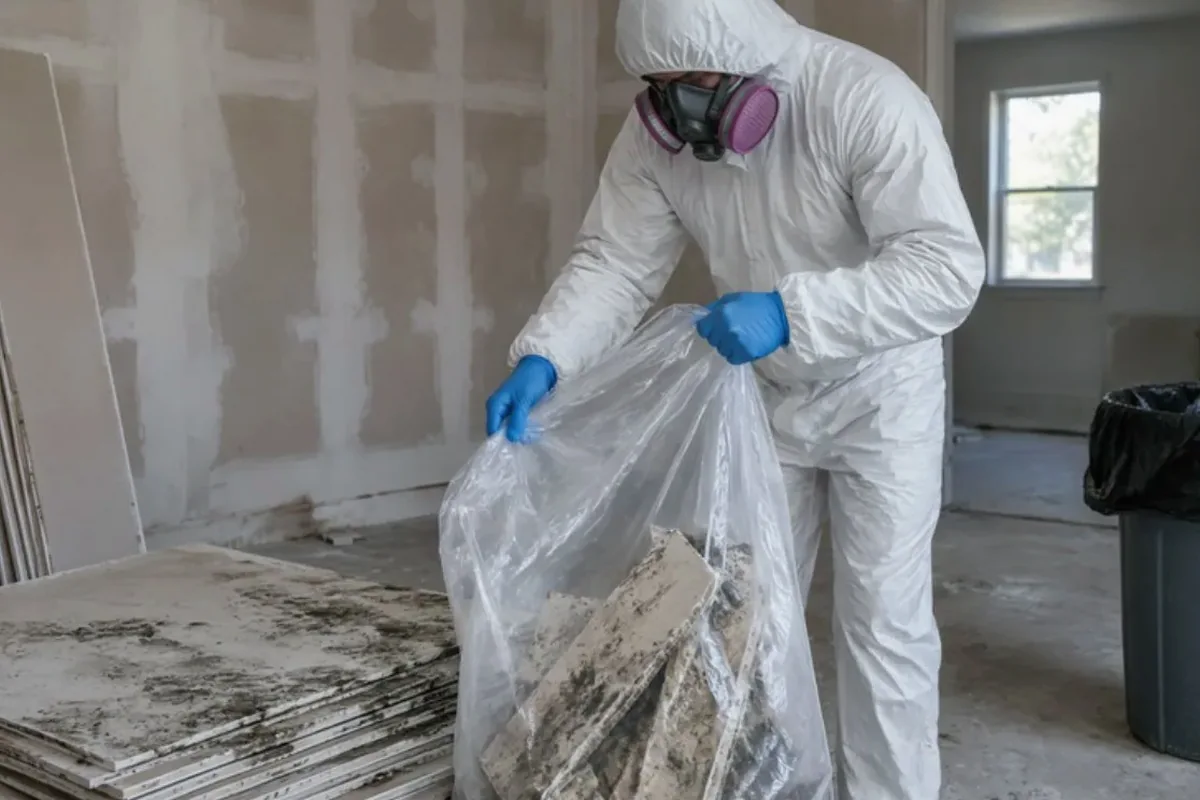
Porous materials such as drywall, insulation and carpet pad that stay moldy usually have to be removed, because surface cleaning does not reach what grew inside. Call the number on this page to be connected with a local mold company in Durham.
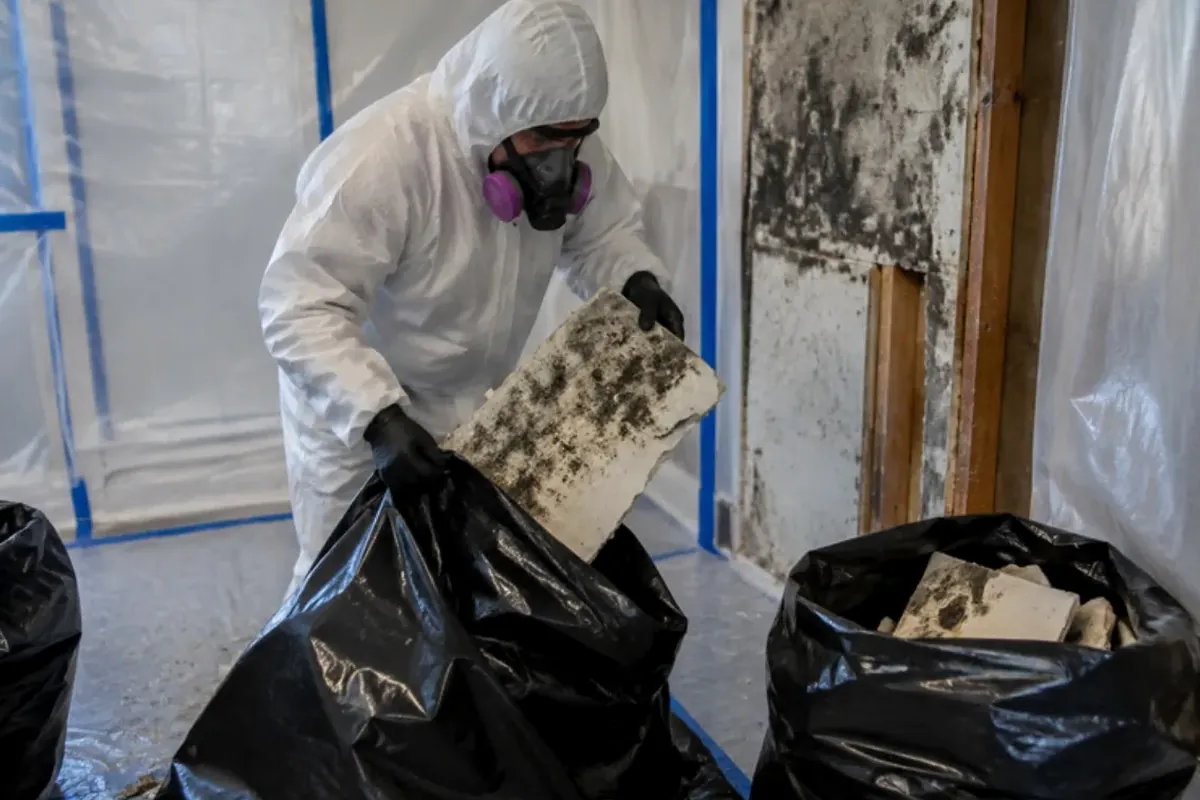
If you rent
Tenants who spot dark growth should take dated photos and tell the landlord in writing. Skip any large cleanup on your own. State rental law gives each side certain duties, and the guide linked below explains what to document and who to contact first.
How moisture feeds it
Mold needs water above all. In the Piedmont, long muggy summers keep air conditioners working hard, and warm damp air meeting a cold duct or wall leaves condensation behind. A small drip, a clogged drain pan or a slow pipe leak can be enough to start a dark patch.
Newer builds from the 1990s, like many in Durham, rely on mechanical ventilation. A weak bath fan or a drain line that was never sloped right can leave a dark patch within a few seasons.
Rebuilding is separate
Many mold companies stop once the growth is removed and the area is dry. Replacing drywall, paint, trim and flooring may be a second contract, possibly with a different contractor. Ask at the start who does what so no step falls through the gap.
Rules and offices for Durham mold jobs
State public health staff advise asking questions before you pay, checking whether a company belongs to trade groups and follows industry guidelines, and keeping the assessment separate from the cleanup.
In a rental, written notice to the landlord starts the clock under state law, which requires repairs that keep the unit in a fit and habitable condition.
Permits for Durham addresses are handled by the Durham City-County Inspections Department; ask there before load-bearing framing or duct runs are replaced.
If creek or river water came inside, look the address up in North Carolina's Flood Risk Information System and call your insurer before cleanup begins.
Many of the same companies also take calls from Morrisville, Carrboro and Butner.
Why not just bleach it?
EPA does not generally recommend biocides like bleach for routine mold cleanup. On porous surfaces the dark color may fade while growth remains underneath. Physical removal, HEPA vacuuming and drying do the real work, and fixing the moisture source keeps the problem from returning.
Watch the problem spots
Look in the same places every few months: under sinks, behind toilets, around the water heater and at the corners of top-floor ceilings. Catching a damp patch while it is still small keeps a short repair from turning into a wall-opening job.
Getting to know Durham
Calls come in from across Durham, including Trinity Park, Watts-Hillandale, Duke Park.
The City of Durham describes the Third Fork Creek watershed as an older portion of Durham south of the Durham Freeway; it drains to Jordan Lake and the Cape Fear River basin.
Black Mold Removal questions in Durham
How do I know if it is mold or just dirt?
Does North Carolina require a mold license?
Can a landlord ignore black mold in a rental?
What does a company do about hidden growth?
More mold services in Durham
Black Mold Removal nearby
Helpful guides
Sources
- Durham City-County Inspections Department
- N.C. General Statutes 87-1: general contractor license
- NC Licensing Board for General Contractors: consumer FAQ
- NC Division of Public Health: choosing a mold consultant
- N.C. General Statutes 42-42: landlord to provide fit premises
- NC Flood Risk Information System
- EPA: A Brief Guide to Mold, Moisture and Your Home
Last updated: